
Asakusa Sensoji Temple is a revered sanctuary in the heart of Tokyo, beckoning visitors to explore its rich history and captivating architecture. As the oldest temple in the city, it’s a testament to Japan’s enduring cultural traditions, drawing pilgrims and travelers alike to its serene grounds. From the iconic Kaminarimon Gate to the intricate Hozomon entrance, each element of Sensoji offers a glimpse into the temple’s profound significance. By stepping through its hallowed portals, one can’t help but feel a sense of awe and wonder at the enduring spirit that has sustained this sacred place for over a millennium.
Key Points
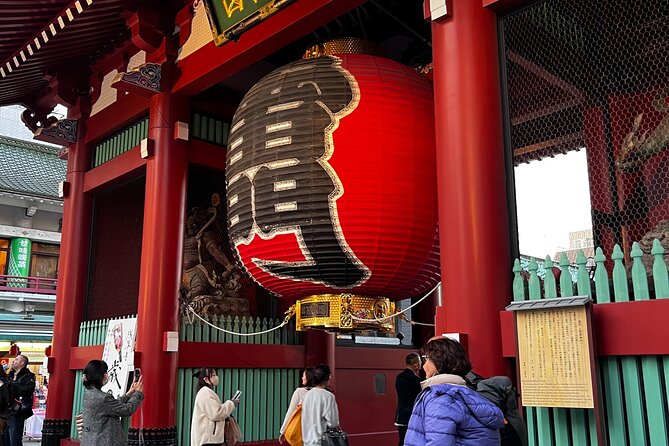
• Asakusa Sensoji Temple is one of Tokyo’s most historically significant and iconic Buddhist temples, dating back to the 7th century.
• Visitors can explore the temple’s impressive Kaminarimon (Thunder Gate), Nakamise-dori shopping street, and the serene main hall and grounds.
• The temple’s distinctive architecture, including the Hozomon Gate and Sensoji Main Hall, showcases Japanese craftsmanship and cultural heritage.
• Asakusa is a hub of traditional Japanese culture, with the temple serving as a revered pilgrimage site for centuries.
• Shoppers can discover a wealth of traditional crafts, souvenirs, and local delicacies at the bustling Nakamise-dori shopping street.
Overview of Asakusa Sensoji Temple

Asakusa Sensoji Temple is one of the most famous and historically significant Buddhist temples in Tokyo, Japan. Established in the 7th century, it’s the oldest temple in the city and a renowned icon of traditional Japanese culture.
The temple’s main attraction is the Kaminarimon, or Thunder Gate, a magnificent crimson gate adorned with a massive paper lantern. Beyond the gate lies a bustling shopping street, Nakamise-dori, lined with traditional Japanese shops and stalls.
The temple’s main hall, the Hondo, is an impressive structure featuring intricate architectural details and a serene atmosphere. Visitors can explore the temple’s grounds, participate in rituals, and enjoy the rich history and culture of this iconic Tokyo landmark.
You can also read our reviews of more tours and experiences in Tokyo.
Meeting Point and Transportation
The meeting point for the Asakusa Sensoji Temple experience is the Burger King located at Asakusa Azumabashi, just across from the Bil Royal Palace. Visitors can reach the temple by taking the Asakusa line and exiting at the Asakusa station, specifically through exit 4.
To help visualize the transportation options, here’s a table with the relevant details:
| Transportation | Route | Duration | Frequency | Cost |
|---|---|---|---|---|
| Subway | Asakusa Line | 5 minutes | Every 5 minutes | ¥200 |
| Walking | From Asakusa Station Exit 4 | 2 minutes | N/A | Free |
| Taxi | From Asakusa Azumabashi | 5 minutes | On-demand | Approx. ¥1,000 |
This information should make it easy for visitors to find the meeting point and navigate their way to the iconic Asakusa Sensoji Temple.
Sensoji Temple Exploration
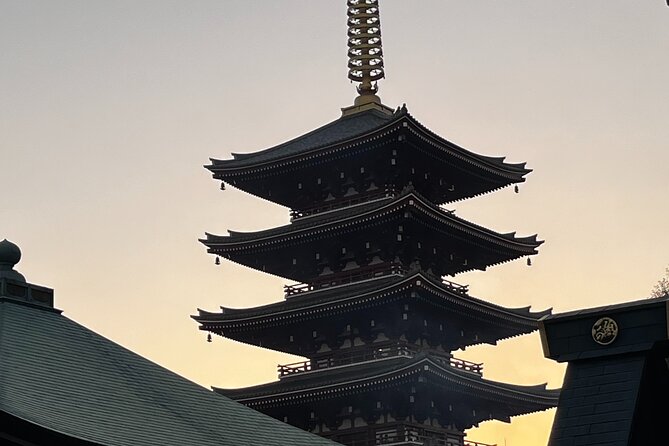
Visitors can expect to explore the expansive grounds of Sensoji Temple, one of Tokyo’s most iconic and historically significant Buddhist temples.
The temple’s grand entrance, known as the Kaminarimon (Thunder Gate), immediately captures the attention with its impressive 18-meter-high red lacquered gate adorned with a massive paper lantern.
Beyond the gate, the Nakamise-dori, a lively shopping street, leads visitors towards the main temple complex. Here, they can marvel at the magnificent Hozomon Gate, the temple’s inner sanctuary, and the Sensoji Main Hall, with its distinctive tiered roof and intricate architecture.
The temple’s tranquil grounds, filled with ancient pagodas and serene gardens, offer a peaceful respite from the bustling streets of Asakusa, allowing visitors to fully enjoy the rich history and cultural significance of this revered site.
Temple History and Architecture
Exploring the Wonders of Asakusa Sensoji Temple
Though Sensoji Temple dates back to the 7th century, its current structures were largely rebuilt over the centuries, reflecting the temple’s long and storied history. The iconic Kaminarimon (Thunder Gate) at the temple’s entrance, with its impressive 18-meter-high red lacquered frame and massive paper lantern, underwent significant restoration in the early 19th century after a fire devastated the area.
Beyond this grand gateway, the Nakamise-dori, a vibrant shopping street, leads visitors towards the temple’s main complex, which includes the Hozomon Gate, the inner sanctuary, and the Sensoji Main Hall, renowned for its distinctive tiered roof and intricate architectural detailing.
The temple’s architectural highlights include:
- Kaminarimon (Thunder Gate)
- Nakamise-dori shopping street
- Hozomon Gate
- Sensoji Main Hall
Cultural Significance of Asakusa
Beyond the temple’s rich architectural heritage, Asakusa’s cultural significance stems from its longstanding role as a center of traditional Japanese culture and spirituality.
Sensoji Temple has been a revered pilgrimage site for centuries, attracting devotees and visitors alike who come to enjoy the area’s unique blend of ancient customs and modern vibrancy.
The bustling Nakamise shopping street, lined with traditional Japanese crafts and snacks, offers a glimpse into the region’s enduring artisanal traditions.
Nearby, the iconic Kaminarimon Gate and the Asakusa Shrine further underscore the neighborhood’s deep spiritual roots.
Today, Asakusa continues to thrive as a hub of cultural exchange, where the past and present seamlessly intertwine.
- English Driver 1-Way Haneda Airport To/From Tokyo 23 Wards
- From Tokyo: Private Sightseeing Tour to Mount Fuji & Hakone
- Mount Fuji Full Day Private Tour (English Speaking Driver)
- Tokyo: Full Day Private Walking Tour With a Guide
- Mt Fuji & Hakone: Sightseeing Private Day Tour With Guide
- Tokyo City Customized Tour With English Speaking Guide
Visiting the Main Hall
Upon entering the temple grounds, one’s gaze is immediately drawn to the majestic Main Hall, the spiritual heart of the Sensoji complex.
This imposing structure, with its striking vermilion facade and intricate architectural details, stands as a testament to the temple’s enduring religious significance.
Within the Main Hall, visitors can witness the revered Kannon Bodhisattva statue, the temple’s principal deity.
The hall’s interior is adorned with intricate carvings, elegant paintings, and gilded details that create an atmosphere of profound reverence and tranquility.
Worshippers can be seen offering prayers, lighting incense, and participating in various rituals, seeing the temple’s rich spiritual traditions.
The Main Hall’s grandeur and the devotion it inspires are truly captivating.
Shopping at Nakamise Dori
As visitors exit the Main Hall, they’re immediately immersed in the bustling atmosphere of Nakamise Dori, a lively shopping street leading to the temple’s inner sanctum. This vibrant promenade is lined with a variety of traditional shops and stalls, offering an array of local crafts, souvenirs, and delectable Japanese snacks that entice visitors to wander and explore. From intricate Edo-style fans and kimonos to regional sweets like Asakusa’s famous kaminari-okoshi (a crunchy, caramelized rice cracker), the selection on Nakamise Dori is truly impressive. Shoppers can also find calligraphy brushes, paper lanterns, and other unique items that capture the essence of Japanese culture and make for cherished mementos of their Asakusa experience.
| Traditional Crafts | Savory Snacks |
|---|---|
| Edo-style Fans | Kaminari-okoshi |
| Kimonos | Mochi |
| Calligraphy Brushes | Taiko Drum Candies |
| Paper Lanterns | Senbei Crackers |
Cancellation Policy and Additional Info
The tour has a flexible cancellation policy, allowing travelers to receive a full refund if they cancel up to 24 hours before the scheduled experience.
Infants must sit on their guardians’ laps during the tour, and most travelers are able to participate, provided the minimum number of guests is met.
The temple isn’t wheelchair accessible, though service animals are permitted.
The site is conveniently located near public transportation.
Frequently Asked Questions
Are Photography and Video Recording Allowed Inside the Temple?
Photography and video recording are generally permitted inside the temple, but visitors are advised to be respectful and avoid disturbing other worshippers. Certain areas or events may have restrictions, so it’s best to check with temple staff before taking photos or videos.
What Should Visitors Wear to the Temple?
Visitors should dress modestly when visiting the Asakusa Sensoji Temple. This means avoiding revealing clothing, shorts, and sleeveless shirts. Covering up with long pants, skirts, and shirts with sleeves is recommended to show respect for the sacred site.
Are There Any Specific Etiquette Rules to Follow?
Visitors should be respectful when visiting religious sites. They should remove hats, avoid loud noises, refrain from pointing at statues, and follow any specific instructions from temple staff. Modest dress is also expected, covering shoulders and knees.
Can Visitors Make Donations or Offerings at the Temple?
Visitors can make donations and offerings at the Asakusa Sensoji Temple. There are designated areas to place financial donations, and visitors can also offer incense, flowers, or other small gifts as part of the traditional temple experience.
Are There Any Age Restrictions or Child Policies?
There are no strict age restrictions at the temple. Children are welcome, though infants must sit on laps. The activity is suitable for most travelers, and there are no special policies for children beyond the infant lap requirement.
Recap
Asakusa Sensoji Temple is a must-visit destination that offers visitors a captivating glimpse into Japan’s rich cultural heritage.
From the iconic Kaminarimon Gate to the serene temple grounds and bustling Nakamise-dori, the site seamlessly blends spirituality, history, and vibrant local culture.
Whether you’re exploring the intricate architecture or enjoying the traditions, Asakusa Sensoji Temple promises an unforgettable experience that will leave you with a deeper appreciation for the essence of traditional Japan.
More Tour Reviews in Tokyo
- Tokyo: Shinobi Samurai Premium EXP for Solo Travelers, 90min
- Mt Fuji Private Tour With English Speaking Driver
- Nerikiri Wagashi-Making With Tea Ceremony Review
- Tokyo 3-Hour Guided E-bike Cycling Tour of the Citys Hidden Gems
- Official Street Go-Kart Tour – Shinagawa Shop
- 【Open 1st Anniv.】Popular Sushi Making Class Near Tokyo Tower
Not for you? Here's more things to do in Tokyo we have recnetly reviewed
- 2 Best Craft Beer Tours And Tastings In Tokyo
- 20 Best 2 Day Tours In Tokyo
- 7 Best 3 Day Tours In Tokyo
- 6 Best 4 Day Tours In Tokyo
- 25 Best Cruises And Boat Tours In Tokyo
- 25 Best Food Tours In Tokyo
- 20 Best Full-Day Tours In Tokyo
- 15 Best Helicopter Flights And Tours In Tokyo
- 2 Best BBQ Experiences In Tokyo
- 5 Best Coffee Tours And Tastings In Tokyo
- 25 Best Lunch Experiences In Tokyo
- 12 Best Massage And Relaxation Services In Tokyo