
Nestled approximately 70 kilometers from Ho Chi Minh City, the Cu Chi Tunnels offer visitors a captivating glimpse into Vietnam’s tumultuous past. This extensive underground network, spanning nearly 200 kilometers, served as a vital refuge for Viet Cong soldiers and local residents during the Vietnam War. Exploring the narrow passageways and venturing into the underground rooms provides an immersive experience, revealing the crucial role the tunnels played in the Viet Cong’s guerilla warfare tactics. For those seeking an insightful and thought-provoking journey, the Cu Chi Tunnels promise to leave a lasting impression.
Key Points
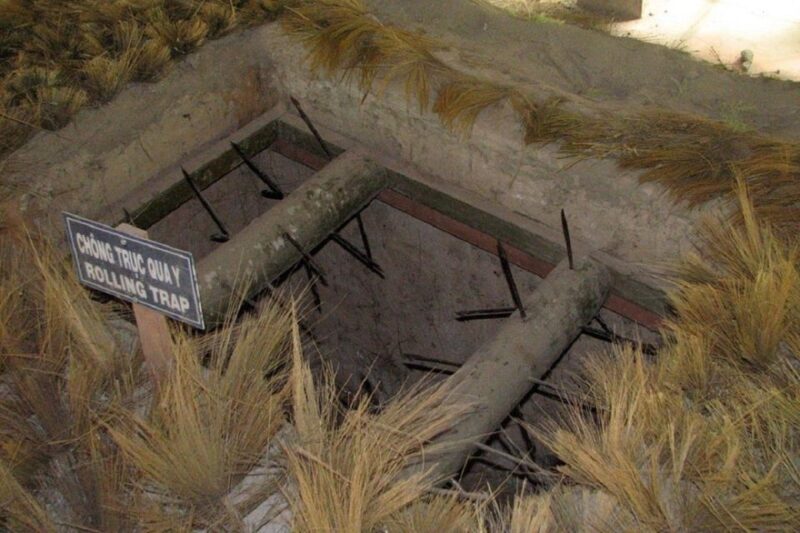
- The Cu Chi Tunnels are located approximately 70 km northwest of Ho Chi Minh City, a popular historical destination offering insights into Vietnam’s fight for independence.
- Visitors can explore the extensive tunnel system, with options to descend underground and crawl through the narrow passageways to experience the wartime conditions.
- Getting to the Cu Chi Tunnels from Ho Chi Minh City can be done via guided tours with round-trip transportation, taking 1.5 to 2 hours, or by self-driving, which takes 1 to 1.5 hours.
- The tunnels served as a vital refuge for Viet Cong soldiers and local residents during the Vietnam War, functioning as safe havens, living quarters, healthcare facilities, and weapons manufacturing sites.
- Highlights for visitors include the opportunity to taste the local foods that Vietnamese soldiers ate during the war and a short documentary film providing historical context about the tunnels’ role.
Overview of Cu Chi Tunnels
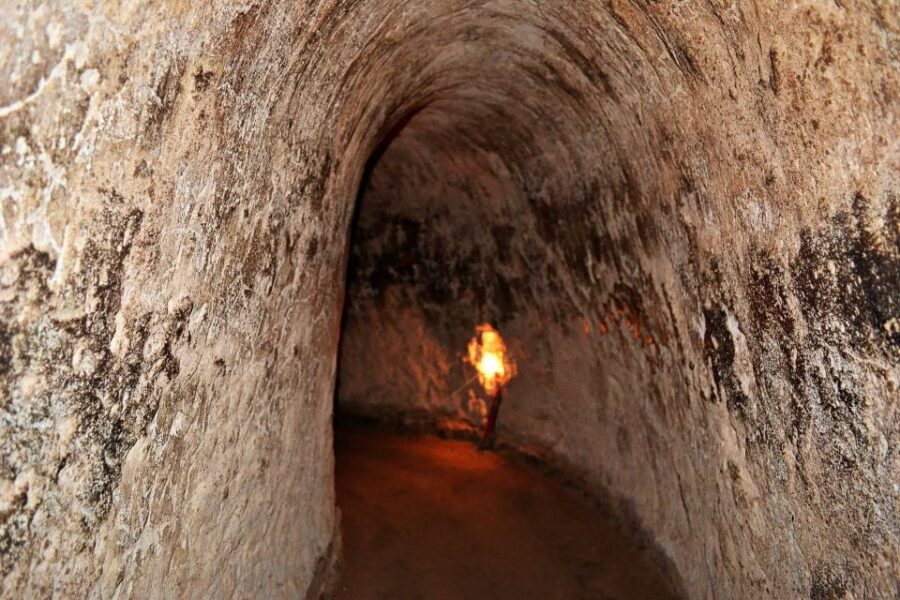
Located approximately 70 km northwest of Ho Chi Minh City, the Cu Chi Tunnels are a renowned historical destination that offer visitors a glimpse into Vietnam’s fight for independence.
Formed in the 1940s, this extensive tunnel system spans nearly 200 km, with two main sections – Ben Duoc and Ben Dinh. Initially built individually, the tunnels were later linked together to create a continuous underground network.
During the war, these tunnels served as a safe haven, living quarters, healthcare facilities, and weapons manufacturing sites for Viet Cong soldiers and local residents.
Today, the Cu Chi Tunnels stand as a testament to the ingenuity and resilience of the Vietnamese people in their struggle for self-determination.
Want to dig deeper into Ho Chi Minh City? We've also reviewed these city tours
Tunnel System Exploration
Spanning nearly 200 km, the Cu Chi tunnel system is divided into two main sections: Ben Duoc and Ben Dinh.
Visitors exploring this expansive network can descend into the underground tunnels, which were initially built individually but later linked to create a continuous and extensive subterranean realm.
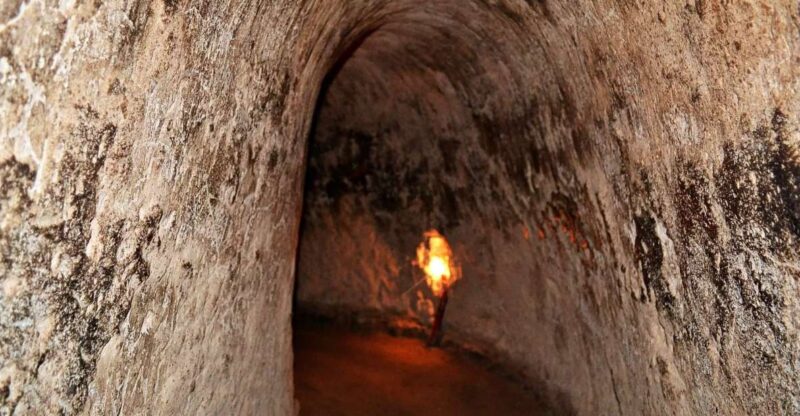
As travelers navigate the narrow passageways, they’ll come across the various rooms, hospitals, and weapons factories that once served as crucial infrastructure for the Viet Cong during the war.
Though challenging, the opportunity to crawl through these historic tunnels offers a unique and immersive experience, allowing visitors to gain a deeper appreciation for the ingenuity and resilience of the Vietnamese people.
Wartime Usage of Tunnels
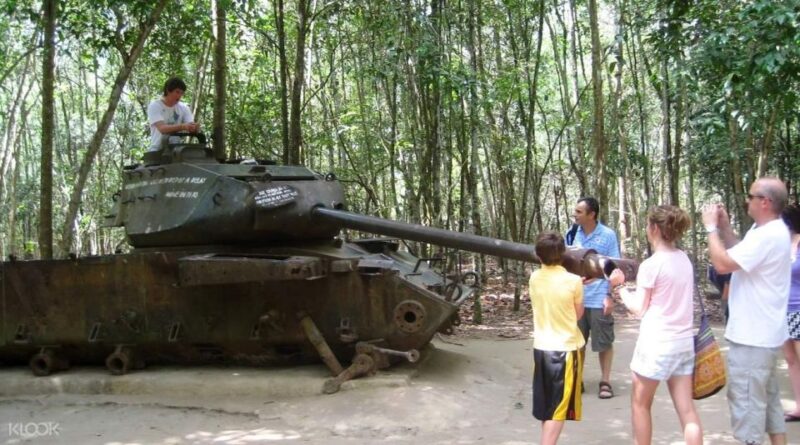
The Cu Chi tunnels served as a vital refuge for Viet Cong soldiers and local residents during the Vietnam War, functioning as safe havens, living quarters, healthcare facilities, and even weapons manufacturing sites. The extensive tunnel system, spanning nearly 200 km, offered protection and strategic advantages against the superior military forces of the United States and its allies. Within the tunnels, various spike traps were set up both inside and outside to deter and injure the enemy. The tunnels played a crucial role in the Viet Cong’s guerilla warfare tactics, allowing them to launch surprise attacks and quickly disappear back underground.
| Wartime Usage of Cu Chi Tunnels | |
|---|---|
| Safe Haven | Living Quarters |
| Healthcare Facilities | Weapons Manufacturing |
| Spike Traps | Guerilla Warfare Tactics |
Highlights for Visitors
For visitors to the Cu Chi Tunnels, there are several highlights to explore. Participants can crawl through the narrow tunnels, offering a firsthand experience of the tight confines used by Viet Cong soldiers.
Plus, visitors can venture into the underground rooms, hospitals, and weapons factories that were essential to the tunnel system’s wartime operations.
Complementing the immersive tour, a short documentary film provides historical context about the Cu Chi Tunnels’ role during the Vietnam War.
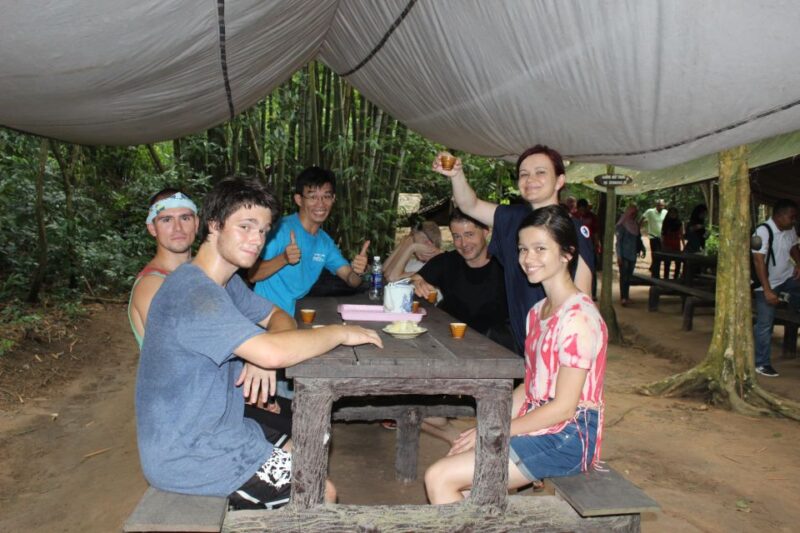
Visitors can also taste the local foods that Vietnamese soldiers ate during the war, giving them a deeper appreciation for the daily life and challenges faced by those who utilized the tunnels.
These varied experiences make the Cu Chi Tunnels a must-visit destination for those interested in Vietnam’s history.
More Great Thing To Do NearbyInclusions in the Tour
The Cu Chi Tunnels tour includes free pick-up and drop-off in the center of Saigon, an English-speaking tour guide, a bottle of water, and an entrance fee to the Cu Chi Tunnels.
Additional fees may apply for the bullet shooting range, which costs around 600,000 VND per pack of 10 bullets.
Visitors are advised to wear lightweight clothing and comfortable shoes, especially if they plan to enter the tunnels. The narrow passageways can be a tight fit, so those with claustrophobia may want to consider their options.
- Cu Chi Tunnels & Mekong Delta Group Tour Full Day
- From Ho Chi Minh: Full-Day Vung Tau Beach & The Giant Jesus
- From Ho Chi Minh: Vung Tau Beach – The Most Beautiful Beach
- From HCM: Mekong Delta & Cai Rang Floating Market 2-Day Tour
- Enjoy the Sunshine With Vung Tau Beach Private Day Tour
- Private Transfer From HO CHI MINH to MUINE
Considerations for Visitors
Visitors to the Cu Chi Tunnels should consider their physical capabilities and comfort levels, as the narrow passageways can be a tight fit, potentially posing challenges for those with claustrophobia.
It’s recommended to wear lightweight, breathable clothing and comfortable, closed-toe shoes for easy navigation. The tunnels can be quite humid and warm, so staying hydrated is crucial.
While crawling through the tunnels is an optional activity, visitors should assess their fitness level and willingness to experience this unique part of Vietnam’s history. Those who prefer not to enter the tunnels can still explore the above-ground exhibits and learn about the strategic importance of this intricate network during the Vietnam War.
Directions to Cu Chi Tunnels
Getting to the Cu Chi Tunnels from Ho Chi Minh City is relatively straightforward, as the site is located approximately 70 kilometers northwest of the city center. Visitors can opt for various transportation options, with the most popular being guided tours that include round-trip transportation.
These tours typically depart from central locations in Ho Chi Minh City and take around 1.5 to 2 hours to reach the tunnels, depending on traffic conditions. Alternatively, visitors can choose to self-drive or take public transportation, such as buses or taxis, to the site.
| Transportation Option | Approximate Travel Time | Pros | Cons |
|---|---|---|---|
| Guided Tour | 1.5 – 2 hours | Convenience, no need to navigate | Higher cost |
| Self-Drive | 1 – 1.5 hours | More flexibility, lower cost | Need to navigate traffic |
| Public Transportation | 2 – 2.5 hours | Lower cost | Less convenient, longer travel time |
History of the Tunnels
The Cu Chi Tunnels trace their origins back to the 1940s, when Vietnamese forces began digging the intricate network in an effort to combat French colonial rule.
Over time, the tunnels grew to an impressive 200 km, with two main sections: Ben Duoc and Ben Dinh.
The tunnels served a vital purpose during the Vietnam War, acting as:
- A safe haven for Viet Cong soldiers and local residents
- Living quarters and healthcare facilities
- Weapons manufacturing sites
- A way to evade and ambush enemy forces
This expansive underground system allowed the Vietnamese fighters to wage an effective guerilla war, eventually contributing to the defeat of the French and later, the Americans.
Frequently Asked Questions
How Deep Do the Tunnels Go Underground?
The Cu Chi Tunnels extend up to 10 meters deep underground, allowing Viet Cong soldiers to move safely and avoid detection. The depth of the tunnels provided a secure network for the Vietnamese resistance during the war.
Is It Safe to Crawl Through the Tunnels?
While the Cu Chi Tunnels offer an immersive historical experience, crawling through them can be challenging and carries some risks. Visitors should exercise caution, listen to safety instructions, and opt out if they feel uncomfortable in the confined spaces.
Can Visitors Take Photographs Inside the Tunnels?
Visitors are generally allowed to take photographs inside the Cu Chi Tunnels. However, they’re advised to be mindful of their surroundings and avoid disrupting the experience for others. Some areas may have restrictions to preserve the historical integrity of the site.
Are There Any Age Restrictions for the Tunnel Exploration?
There are no age restrictions for exploring the Cu Chi Tunnels. However, visitors must be physically able to crawl through the narrow, low-ceilinged tunnels. Children are welcome, but their parents should consider their capability before entering the tunnels.
Can Visitors Bring Their Own Food and Drinks to the Site?
Visitors are generally allowed to bring their own food and drinks to the Cu Chi Tunnels site. However, there may be restrictions or limited options for purchasing refreshments on-site. It’s best to check with the site before visiting.
Recap
The Cu Chi Tunnels offer a unique and immersive experience, allowing visitors to explore the extensive underground network that played a crucial role in Vietnam’s fight for independence during the Vietnam War.
Visitors can venture into the narrow tunnels, discover the various wartime functions they served, and gain a deeper understanding of the Viet Cong’s guerilla warfare tactics.
The Cu Chi Tunnels provide an insightful glimpse into a significant chapter in Vietnam’s history.
You can check if your dates are available here:More City Tours in Ho Chi Minh City
More Tour Reviews in Ho Chi Minh City
- From HCM: 2-Day Tour Mekong Delta, Cai Rang Floating Market
- From Ho Chi Minh: Mekong Delta 2 Days 1 Night
- From Ho Chi Minh: Can Gio Mangrove Forest Private Tour
- Ho Chi Minh City: Full Long Tan Battlefield Tour
- Mekong Delta 3-Day: Saigon to Phnom Penh Gateway
- From Ho Chi Minh City: Mekong Delta 2 Days Group Tour
Not for you? Here's more things to do in Ho Chi Minh City we have recnetly reviewed
- From HCM 1-Day Cai Rang Floating Market Local Mekong Village
- Phu My Port Shore Excursion Tour Cu Chi Tunnels & City Tour
- Floating Market, Flower Village Authentic Mekong Delta Tour
- 2-Day Mekong Delta Private Tour: Vinh Long, Can Tho & Sa Dec
- From Ho Chi Minh: Cai Rang Floating Market and Mekong Delta
- From Saigon: Classic Mekong Delta Full Day Tour
- Phu My Port: Ho Chi Minh City Highlights Tour
- From Ho Chi Minh: Private Vung Tau Beach Tour With Lunch
- Cat Tien National Park Private Tour With Female Tour Guide
- Ho Chi Minh City: Mekong Delta Full-Day Tour
- From Ho Chi Minh: Mekong Delta and Tra Su Forest 3D2N Tour
- Ho Chi Minh: Private Mekong Delta Day Trip With Boat Ride