
Naxos, the largest of the Cycladic islands, beckons travelers with its captivating history and natural beauty. In just six hours, one can explore the island’s highlights, from the magnificent Temple of Demeter to the charming Halki Village known for its local specialty, kitron. Delve deeper into Naxos’s cultural heritage at Damalas Village, where traditional pottery-making endures. The picturesque town of Apiranthos and the impressive Kouros statue in Melanes offer a glimpse into the island’s rich past. With each destination unveiling another facet of Naxos’s allure, the stage is set for an unforgettable adventure.
Key Points
- Visit the magnificent Temple of Demeter, a 6th-century BC marble temple dedicated to the Greek goddess of agriculture and fertility.
- Observe the traditional pottery-making techniques at Damalas Village and purchase unique, handcrafted ceramic pieces.
- Explore the charming Halki Village, taste the local specialty kitron, and learn about the island’s distillery heritage.
- Witness the traditional olive oil extraction process at Vallindras Olive Oil Production and sample the rich, aromatic olive oil.
- Admire the breathtaking views from the Apiranthos Village viewpoint and the colossal 7th-century BC Kouros statue in Melanes.
Temple of Demeter
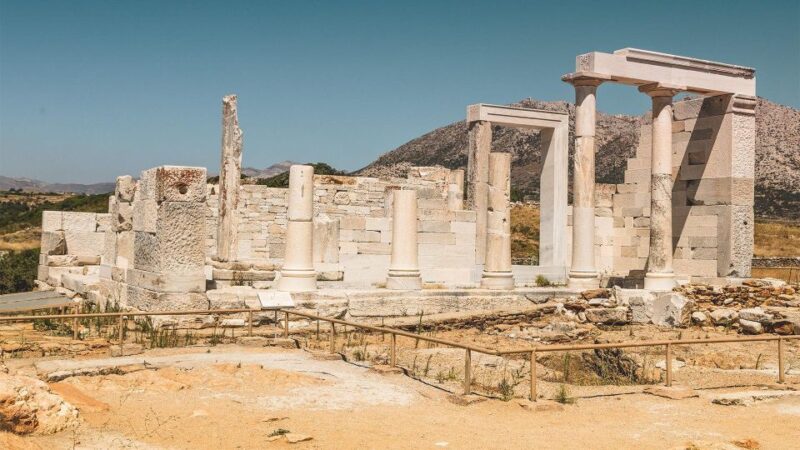
The magnificent Temple of Demeter, built with Naxos marble, dates back to the 6th century BC and offers free entrance for visitors.
This ancient temple, dedicated to the Greek goddess of agriculture and fertility, stands as a testament to the island’s rich history and cultural heritage.
Visitors can marvel at the temple’s impressive architecture, which showcases the craftsmanship and skill of the ancient builders.
Whether you’re a history buff or simply appreciate the beauty of ancient ruins, the Temple of Demeter is a must-see destination on your Naxos Island adventure.
Its serene setting and impressive structure make it a truly memorable experience.
You can also read our reviews of more tours and experiences in Chalkio.
Damalas Village Pottery
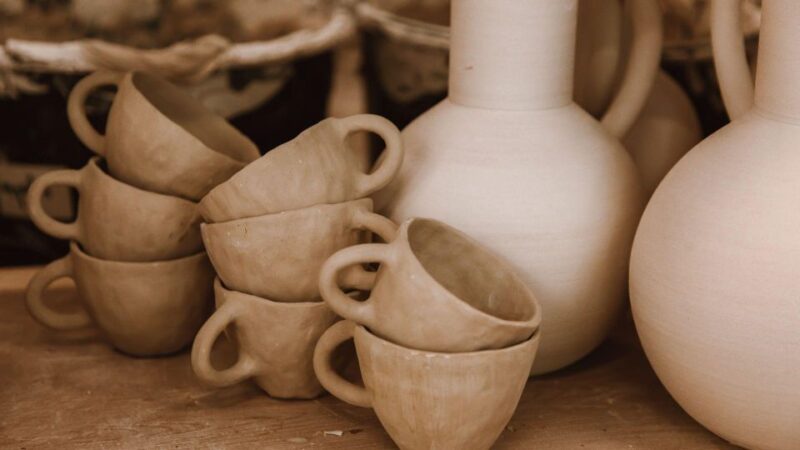
In Damalas Village, visitors can step into a fifth-generation pottery workshop that preserves the Greek tradition of handcrafting unique ceramic pieces.
Skilled artisans demonstrate the intricate techniques used to shape, decorate, and fire the clay, creating a mesmerizing display of the potter’s craft. Visitors can observe the entire process, from the initial shaping on the pottery wheel to the meticulous application of vibrant glazes.
The workshop offers the opportunity to purchase these one-of-a-kind creations, allowing travelers to take home a tangible piece of Naxos’s rich cultural heritage.
This immersive experience provides a unique glimpse into the enduring legacy of Greek pottery-making.
Halki Village and Kitron
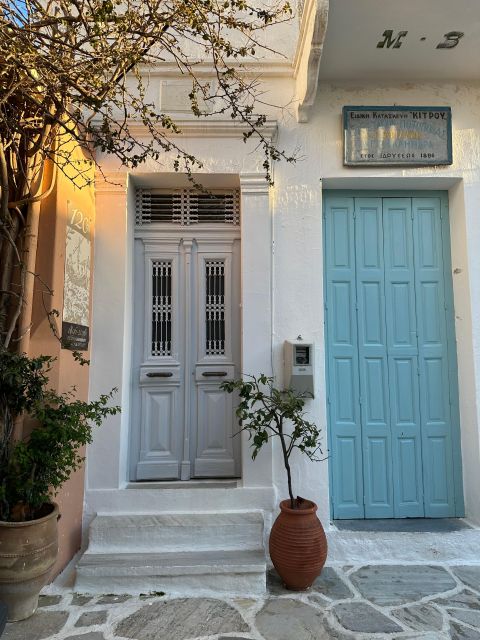
After exploring the pottery traditions of Damalas Village, visitors can head to Halki, a charming town known for its unique blend of neoclassical and traditional Cycladic architecture.
Halki’s claim to fame is its small distillery, Vallindras, where travelers can indulge in tastings and purchase the local specialty, kitron – a bright yellow liqueur with a citrusy flavor.
The distillery offers an opportunity to learn about the production process and sample this distinctive Naxian drink.
With its picturesque streets and historic buildings, Halki provides a delightful break from the island’s more famous attractions, offering a glimpse into the local culture and traditions.
Vallindras Olive Oil Production
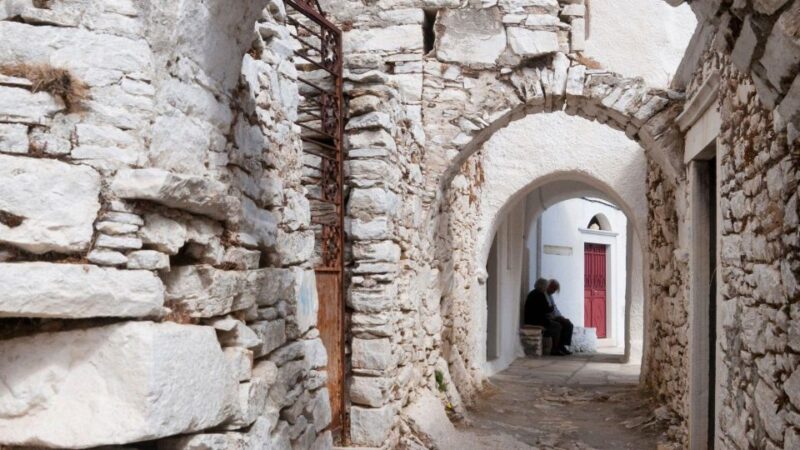
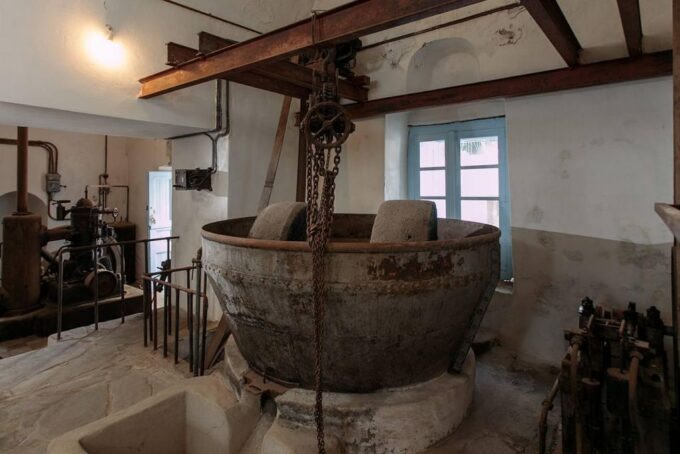
Another highlight of Naxos Island is the Ergostasio olive press of Markos Vallindras, where visitors can get a firsthand look at the olive oil production process and sample the finished product. At the olive press, guests can observe the traditional methods used to extract the oil, which involves crushing the olives using large stone wheels. Afterwards, they’re invited to taste the rich, aromatic oil, which is known for its distinct flavor profile. The experience provides a unique glimpse into the island’s agricultural heritage and the dedication of local producers like Markos Vallindras, who carry on this time-honored craft.
| Olive Oil Tasting Experience | |||
|---|---|---|---|
| Observe Traditional Crushing | Smell the Fragrant Aroma | Savor the Distinct Flavor | Support Local Producers |
| Learn about Naxos’ Heritage | Understand Artisanal Process | Appreciate Handcrafted Oil | Contribute to Sustainability |
Apiranthos Village Viewpoint
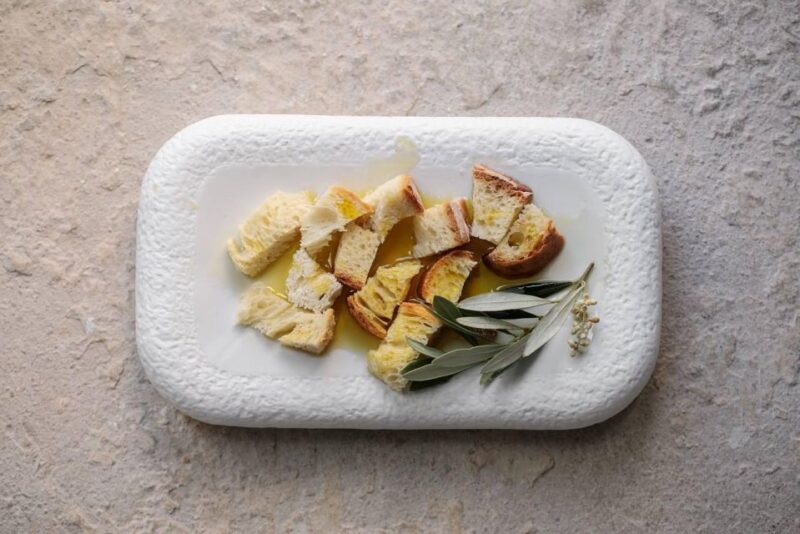
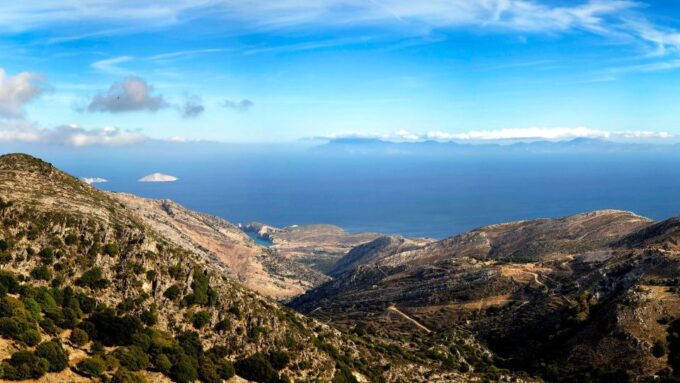
One of Naxos’s most popular villages, Apiranthos offers visitors a breathtaking viewpoint to admire the island’s natural beauty from both the west and the east. Located atop a mountain, the village boasts a stunning panorama that showcases Naxos’s rugged landscapes and picturesque coastline.
The main highlights of Apiranthos include:
-
The Stavros Keramotis viewpoint, which provides a 360-degree perspective of the island.
-
The impressive Kouros statue, a 6-meter-long sculpture from the 7th century BC, located just outside the village.
-
The charming narrow streets and traditional Cycladic architecture that give Apiranthos its distinct character.
Visitors are sure to be captivated by the tranquility and natural splendor of this enchanting Naxian village.
Kouros Statue in Melanes
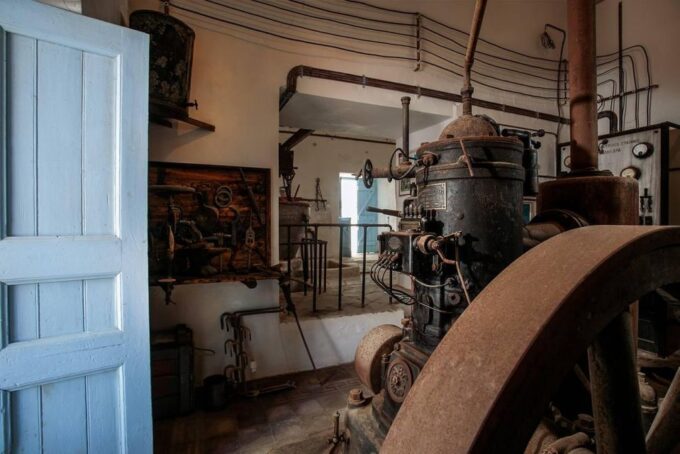
Just a short distance outside the charming village of Melanes lies a remarkable 7th-century BC Kouros statue, measuring an impressive 6 meters in length.
This colossal marble sculpture, believed to be an unfinished tribute to a young male deity, offers a unique glimpse into the artistic achievements of ancient Naxos.
Visitors can admire the statue’s imposing presence and intricate details, which showcase the island’s rich cultural heritage.
The Kouros statue serves as a powerful reminder of Naxos’s enduring significance in Greek history and the skilled craftsmanship of its ancient artisans.
Whether you’re a history buff or simply appreciative of stunning works of art, this majestic Kouros is a must-see during your time on the island.
Exploring Naxos Architecture
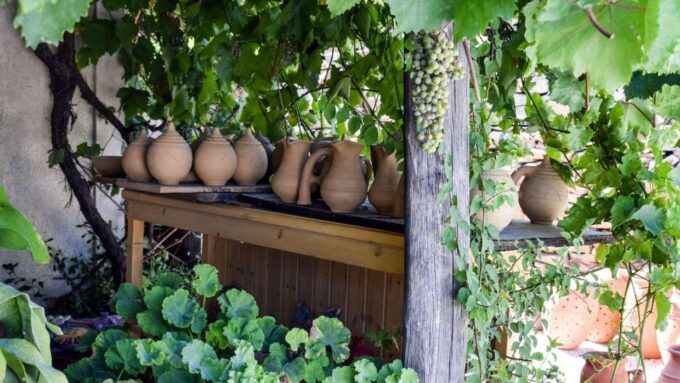
Naxos’s architectural heritage showcases a captivating blend of neoclassical and traditional Cycladic styles, best exemplified in the charming village of Halki.
This picturesque town offers a delightful glimpse into the island’s rich cultural past:
Halki’s buildings boast a harmonious mix of neoclassical elements, such as ornate facades and symmetrical layouts, alongside the iconic whitewashed walls and blue-domed roofs of traditional Cycladic architecture.
A small distillery called Vallindras invites visitors to sample the local specialty, kitron, a yellowish liqueur made from the citrus fruit of the same name.
The village’s narrow, winding streets and quaint squares provide ample opportunities to take in Naxos’s timeless charm and admire the architectural treasures that have endured through the centuries.
Highlights of Naxos Island
Though Naxos Island boasts a wealth of historic and cultural wonders, visitors can efficiently explore its highlights in just six hours.
Start at the magnificent Temple of Demeter, a 6th-century BC marvel made of local marble.
Next, witness the preservation of Greek pottery tradition at a fifth-generation workshop in Damalas Village.
Explore the charming Halki Village, where you can sample the local kitron liqueur at a small distillery.
Discover the Ergostasio olive press in Kaloxilos and taste the freshly produced olive oil.
Finally, visit the picturesque Apiranthos Village and see the impressive Kouros statue just outside Melanes.
With careful planning, travelers can truly enjoy Naxos’s captivating essence.
Frequently Asked Questions
Is There a Ferry Service to Naxos Island?
Yes, there are regular ferry services to Naxos Island from the Greek mainland and other islands in the Cyclades. Ferries run daily and take around 2-4 hours, depending on the departure point.
What Is the Best Time of Year to Visit Naxos?
The best time to visit Naxos is during the spring (April-June) or fall (September-November) when the weather is mild and crowds are smaller. These shoulder seasons offer the perfect balance of pleasant climate and fewer travelers.
Are There Any Beaches on Naxos Island?
Naxos is known for its beautiful beaches, including the popular Agios Prokopios, Agia Anna, and Plaka beaches. These sandy, island-style beaches offer great swimming, sunbathing, and water sports opportunities for visitors to Naxos.
What Is the Local Currency Used in Naxos?
The local currency used in Naxos is the euro (€). As a member of the Eurozone, the Greek island of Naxos uses the common European currency, making it easy for visitors to make purchases and transactions.
Are There Any Ancient Ruins Besides the Temple of Demeter?
Besides the Temple of Demeter, Naxos has other ancient ruins such as the Kouros statue outside Melanes village. This giant 7th-century BC statue provides a glimpse into the island’s rich historical heritage.
Recap
Naxos is an island that offers a captivating mix of ancient history, cultural traditions, and stunning natural beauty.
From the magnificent Temple of Demeter to the charming villages and their local specialties, visitors can enjoy the island’s rich heritage.
Exploring Naxos’ architectural highlights and witnessing the preservation of traditional crafts make for an unforgettable experience.
You can check if your dates are available here: