
Crafting the perfect sample food display is an art form deeply rooted in Japanese culinary culture. This unique experience takes visitors on a journey through the renowned Kappabashi district, where they’ll uncover the captivating history behind the meticulous creation of ‘sampuru’ – the lifelike food models that adorn restaurant windows across the country. From exploring the iconic Sensoji Temple to channeling their inner artist in a hands-on workshop, you will gain a newfound appreciation for this traditional craft and the dedication that goes into every painstakingly detailed piece. What awaits those who embark on this immersive adventure might just surprise them.
Key Points
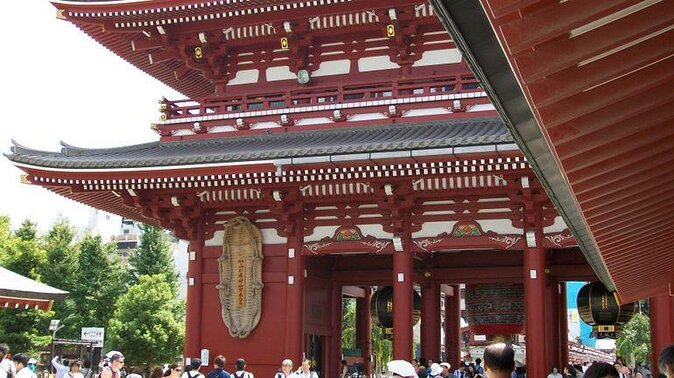
- Hands-on workshop for creating Japanese sample food, known as ‘Sampuru,’ in the Kappabashi district.
- Guided tour and exploration of the art of making sample Japanese food, with an English-speaking instructor or translator.
- Opportunity to visit the historic Asakusa Sensoji Temple during the three-hour walking tour.
- Small group experience suitable for ages 7 and above, with wheelchair and stroller accessibility.
- Inclusion of photo opportunities throughout the tour and the sample food making workshop.
Overview
This three-hour walking tour in Tokyo, Japan, allows visitors to explore the art of making sample Japanese food, known as ‘Sampuru’.
Participants will visit the Kappabashi district and the Asakusa Sensoji Temple, two iconic locations in the city.
The highlight of the tour is a hands-on workshop where guests can create their own sample food as a souvenir.
Designed for small groups of up to 15 people, the tour is suitable for ages 7 and above and is wheelchair and stroller accessible.
With an English-speaking instructor or translator, participants can learn about the history of this unique Japanese craft while enjoying photo opportunities and taking home the samples they’ve made.
Taste buds happy? More delicious discoveries we love in Tokyo
Tour Details
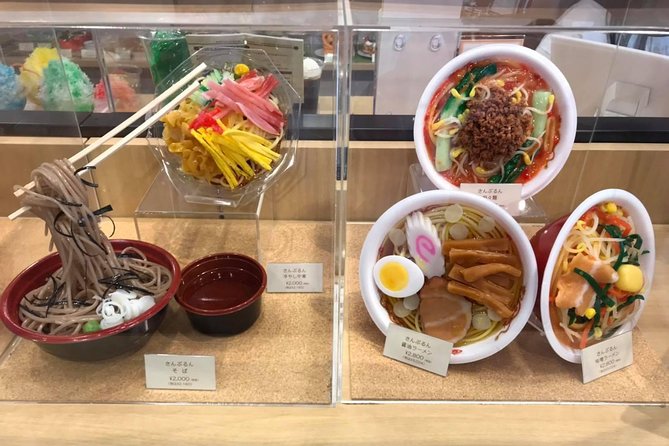
The tour is a small-group experience, with a maximum of 15 participants. It’s suitable for ages 7 and up, and is wheelchair and stroller accessible.
The tour includes an English-speaking instructor or translator to guide visitors through the activities.
During the workshop, you will learn the art of making sample Japanese food, called ‘Sampuru.’ After exploring the historic Kappabashi district and Asakusa Sensoji Temple, visitors will attend a hands-on workshop where they’ll create their own Sampuru as a souvenir.
The tour provides ample photo opportunities throughout the experience. While meals, food, and drinks aren’t included, the samples made during the workshop are.
Inclusions
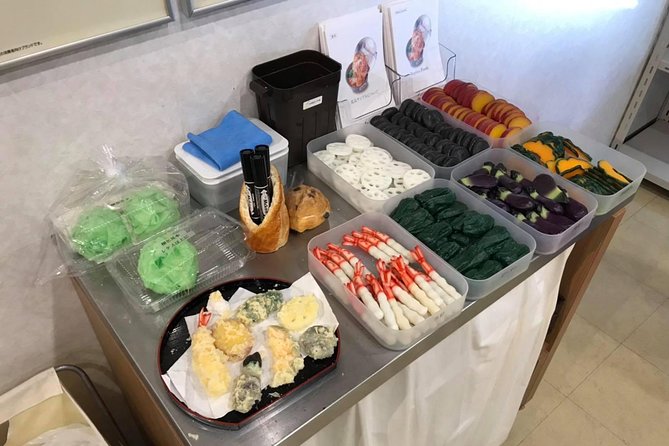
The tour includes an English-speaking instructor or translator to guide participants through the activities and provide historical context.
Plus, the workshop allows visitors to create their own ‘Sampuru’ (sample Japanese food) as a souvenir.
On top of that, the experience offers ample photo opportunities throughout the tour.
The tour’s inclusions provide a well-rounded experience:
- English guidance and historical insights
- Hands-on sample food making workshop
- Photo opportunities to capture the memories
Participants can expect a comprehensive exploration of the art of ‘Sampuru’ and the chance to bring home a unique, self-crafted souvenir from the experience.
Exclusions
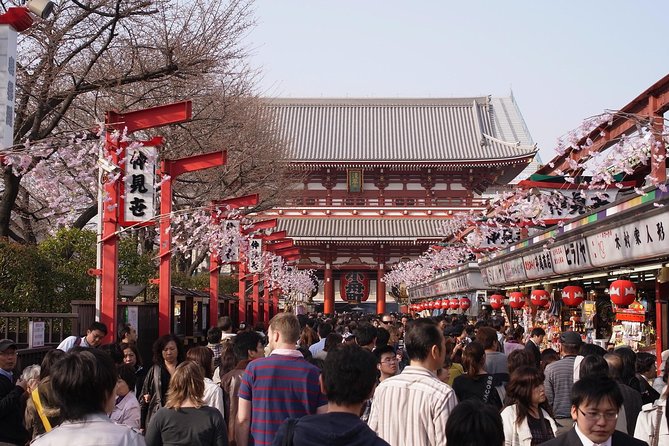
While the tour includes a variety of experiences, certain elements are not covered in the overall cost. Meals, food, and drinks are not provided as part of the tour package. Plus, any other fees or expenses not explicitly mentioned in the inclusions section are the responsibility of the participants.
| Exclusions | Details |
|---|---|
| Meals | Participants are responsible for their own meals during the tour |
| Food | No food is provided, other than the samples made during the workshop |
| Drinks | Participants must purchase any drinks they desire during the tour |
| Other Fees | Any additional fees or expenses not listed in the inclusions are not covered |
Meeting and Pickup
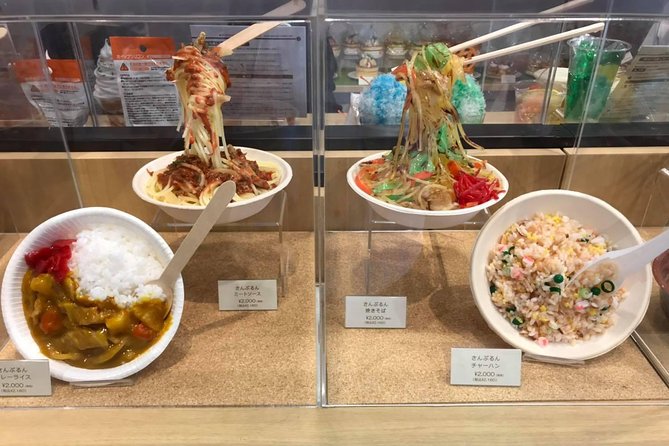
The tour meeting point is the APA Hotel Asakusa Tawaramachi Station Mae, and this is also where the tour will conclude at the end. Participants will conveniently start and finish the experience at this central location, making it easy to access for both local and international visitors.
The tour covers several key sights in the area, including:
- Kappabashi, a neighborhood famous for its restaurants and food-related shops
- Asakusa Sensoji Temple, one of Tokyo’s most significant and historic Buddhist temples
- A workshop where participants can create their own sample Japanese food as a souvenir
With a small group size and an English-speaking guide, this tour provides a immersive and engaging introduction to the unique art of sampuru, or fake food making, in Japan.
Here are more great tours and experiences we've reviewed in Tokyo
Sample Food Making History
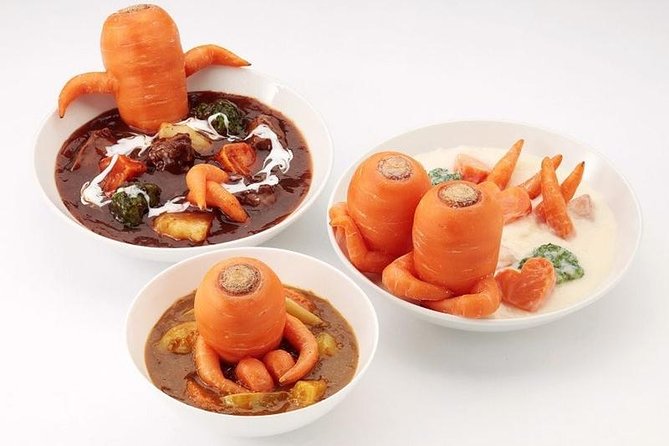
Fake food production in Japan traces its origins back to the 1930s, when artisan Takizo Iwasaki from Gujo Hachiman pioneered the craft of creating lifelike sample dishes, known as ‘sampuru’. These hyper-realistic food replicas became increasingly popular in Japan by the 1950s, as they allowed restaurants and eateries to showcase their menu offerings in an appealing and appetizing manner. The attention to detail in sampuru is remarkable, with some models costing up to ten times the price of the actual food they represent. This intricate craft has become an integral part of Japanese culinary culture, showcasing the country’s dedication to precision and artistry.
| Year | Significance |
|---|---|
| 1930s | Fake food production began |
| 1950s | Sampuru displays became popular in Japan |
| Present | Sampuru can cost up to 10 times the real food |
Tour Preparation
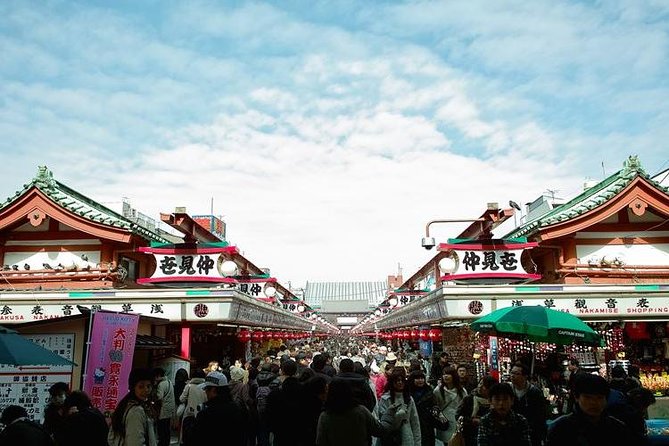
To fully enjoy the Japanese Sample Food Making Experience, participants should dress appropriately for the weather and avoid wearing nail art or polish on their hands, as these may need to be removed during the wax-based activities.
The tour’s hands-on workshop involves working with wax and other materials to create realistic-looking sample foods. As such, participants are advised to:
- Wear comfortable, casual clothing that can get a bit messy
- Avoid wearing delicate or expensive jewelry that could be damaged
- Prepare to have their hands cleaned thoroughly after the workshop
Cancellation Policy
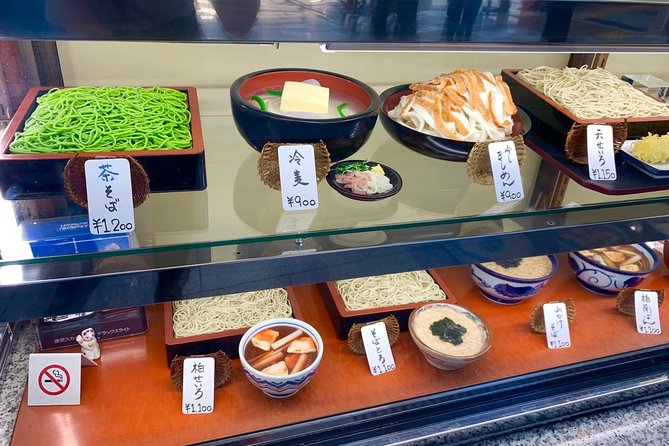
Cancellation of the Japanese Sample Food Making Experience tour is subject to a refund policy that provides a full refund for bookings cancelled up to 4 days prior to the scheduled tour date, while no refund is available for cancellations made after this window.
This policy ensures that the tour operator can adequately plan and prepare for the event, while also offering flexibility for participants who may need to change their plans.
It’s important to note this policy when booking the tour, as it allows customers to make informed decisions about their travel arrangements.
The cancellation terms are clearly communicated to provide a transparent and fair experience for all participants.
Frequently Asked Questions
Can I Customize the Food Samples I Want to Make?
Yes, participants can typically customize the food samples they want to make during the workshop. The instructors accommodate personal preferences and provide guidance to create unique and personalized sampuru as souvenirs.
Will the Workshop Include a Demonstration Before the Hands-On Activity?
The workshop typically includes a demonstration before the hands-on activity, where the instructor shows participants the techniques and methods for creating sample Japanese food. This allows participants to observe the process before trying it themselves.
Are There Any Safety Precautions I Should Be Aware of During the Workshop?
The workshop involves working with hot wax and sharp tools, so participants should exercise caution and follow the instructor’s safety guidelines closely. Protective gloves and aprons may be provided to help prevent burns or cuts.
Can I Take the Food Samples I Made Home With Me?
Yes, you can take the food samples you made during the workshop home with you. The tour includes the samples as part of the workshop experience, allowing you to keep the creations you’ve handcrafted as souvenirs.
Is There a Dress Code or Any Restrictions for the Workshop?
There’s no formal dress code, but participants should avoid nail art or polish as the wax used may remove it. Comfortable, weather-appropriate clothing is recommended for the hands-on sample food making workshop.
Recap
This unique tour offers visitors a hands-on experience with the art of ‘Sampuru,’ the creation of Japanese sample food used in restaurant displays.
Participants will explore Kappabashi district, known as the ‘Kitchen Town,’ and craft their own sample food souvenirs, providing a memorable introduction to this traditional Japanese craft.
With an English-speaking instructor and photo opportunities throughout, this small-group experience is suitable for all ages.
More Food Experiences in Tokyo
- Shinjuku: Vegan Izakaya and Darts Bar Night Out With Drinks
- Tokyo: All-You-Can-Eat Wagyu at Nikuya Yokocho Udagawacho
- Shibuya Food Tour Led by Popular Youtuber Guide
- Tokyo Spring Daytime (Cherry Blossom) Food Tour
- Tokyo Tsukiji Market Food and Culture Walking Tour
- Shinjuku Explore Tokyo With Japanese Food and Izakaya
More Food & Drink Experiences in Tokyo
More Tour Reviews in Tokyo
- Tokyo: Shinobi Samurai Premium EXP for Solo Travelers, 90min
- Mt Fuji Private Tour With English Speaking Driver
- Nerikiri Wagashi-Making With Tea Ceremony Review
- Tokyo 3-Hour Guided E-bike Cycling Tour of the Citys Hidden Gems
- Official Street Go-Kart Tour – Shinagawa Shop
- 【Open 1st Anniv.】Popular Sushi Making Class Near Tokyo Tower
Not for you? Here's more things to do in Tokyo we have recnetly reviewed
- 2 Best Craft Beer Tours And Tastings In Tokyo
- 20 Best 2 Day Tours In Tokyo
- 7 Best 3 Day Tours In Tokyo
- 6 Best 4 Day Tours In Tokyo
- 25 Best Cruises And Boat Tours In Tokyo
- 25 Best Food Tours In Tokyo
- 20 Best Full-Day Tours In Tokyo
- 15 Best Helicopter Flights And Tours In Tokyo
- 2 Best BBQ Experiences In Tokyo
- 5 Best Coffee Tours And Tastings In Tokyo
- 25 Best Lunch Experiences In Tokyo
- 12 Best Massage And Relaxation Services In Tokyo