
Trekking the Kanchenjunga Circuit is a captivating journey that immerses adventurers in the grandeur of the Himalayas. This 14-18 day trek showcases the stunning landscapes surrounding the world’s third-highest peak, offering a chance to witness the majestic Kanchenjunga and encounter rare wildlife. With comfortable accommodations, expertly guided tours, and all meals provided, the circuit combines adventure and culture – an unforgettable experience for outdoor enthusiasts seeking to explore one of the most awe-inspiring regions on Earth. But to fully grasp the essence of this remarkable trek, one must delve deeper into the rich tapestry of its unique offerings.
Key Points
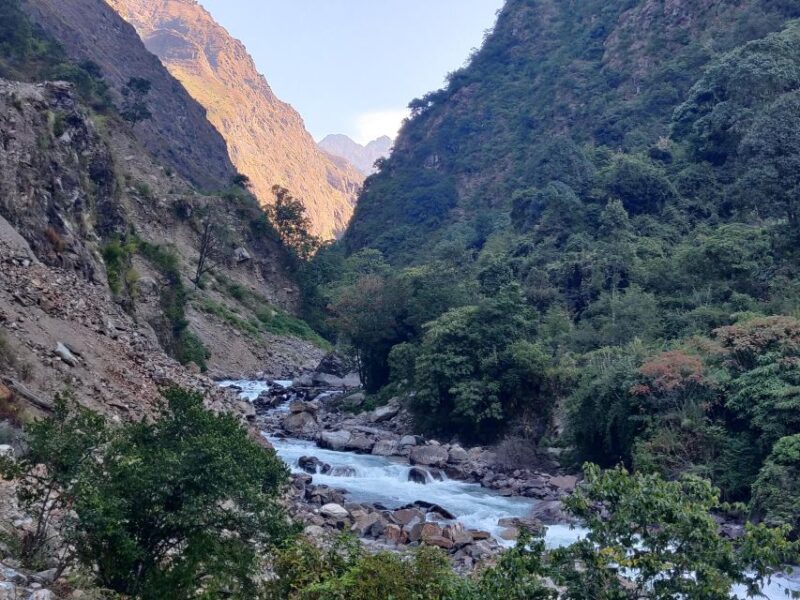
- The Kanchenjunga Circuit Trek is a 14-18 day high-altitude trek located in Nepal’s Himalayas, exploring the natural beauty and culture around the world’s third-highest mountain.
- The trek features activities such as sightseeing, hiking, and whiskey tasting, as well as opportunities to spot rare wildlife like snow leopards, red pandas, and musk deer.
- Trekkers will stay in comfortable accommodations, including guesthouses, lodges, and campsites, with all meals included featuring local Nepali and international cuisine.
- Experienced guides and porters lead the trekking group, ensuring safety and well-being, while also providing insights into the local history, culture, and flora.
- The necessary permits, including the Kanchenjunga Conservation Area permit, are included in the trek package, and comprehensive travel insurance is recommended for a safe and worry-free experience.
Trek Overview

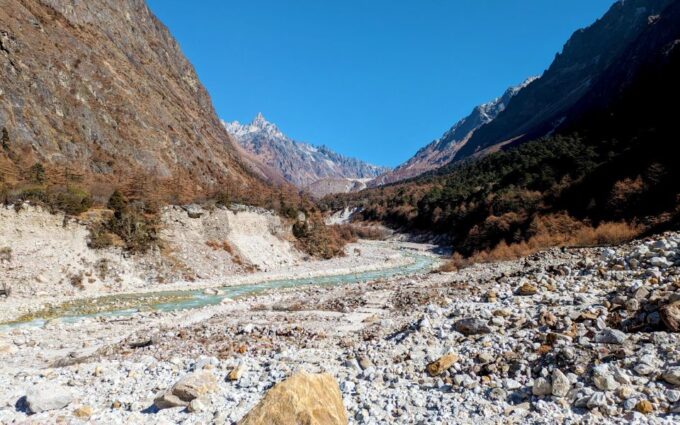
The Kanchenjunga Trek in Nepal offers trekkers a stunning journey through the Himalayas, showcasing its majestic peaks, diverse landscapes, rich culture, and abundant wildlife.
This challenging route typically takes 14-18 days to complete, with an average daily altitude gain of 500-700 meters. The ideal months to undertake this trek are late April to May and September to November.
At the heart of the trek lies the mighty Kanchenjunga, the world’s third-highest mountain standing tall at 8,586 meters.
Trekkers can expect to encounter rare Himalayan species like snow leopards, red pandas, and musk deer along the way, adding to the overall adventure and exploration.
Ready to hit more trails? More hiking adventures we feature in Nepal
Itinerary Highlights
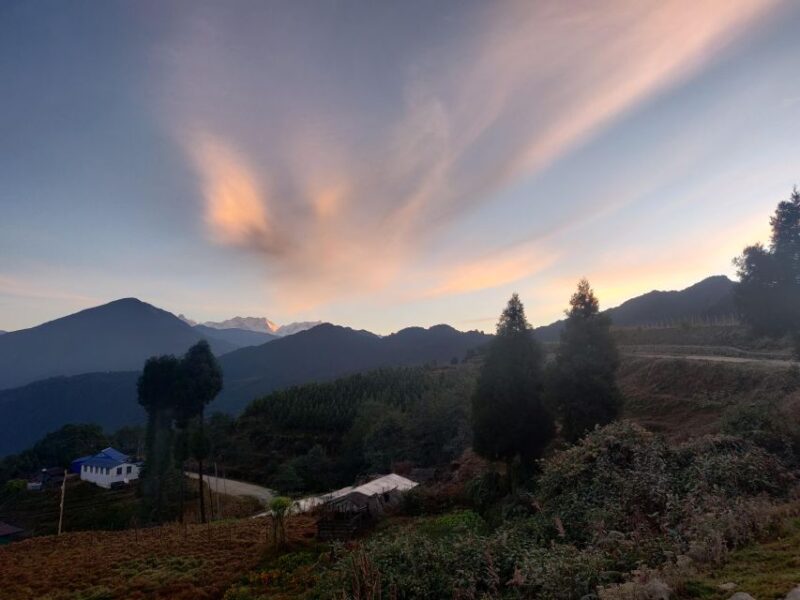
Typically, the journey begins in Taplejung, a town located in Eastern Nepal.
Trekkers can look forward to a diverse range of activities during the trek, including sightseeing, hiking, whiskey tasting, traditional dance shows, and wildlife viewing.
Along the way, they’ll encounter key locations such as the Southern base camp at 4,600 meters and high passes like Sele La and Sinion La.
Plus, the trek provides opportunities to spot rare Himalayan species, including:
-
Snow leopards
-
Red pandas
-
Musk deer
This thrilling itinerary offers a comprehensive exploration of the Kanchenjunga region, showcasing its stunning natural beauty and cultural richness.
Accommodation and Meals
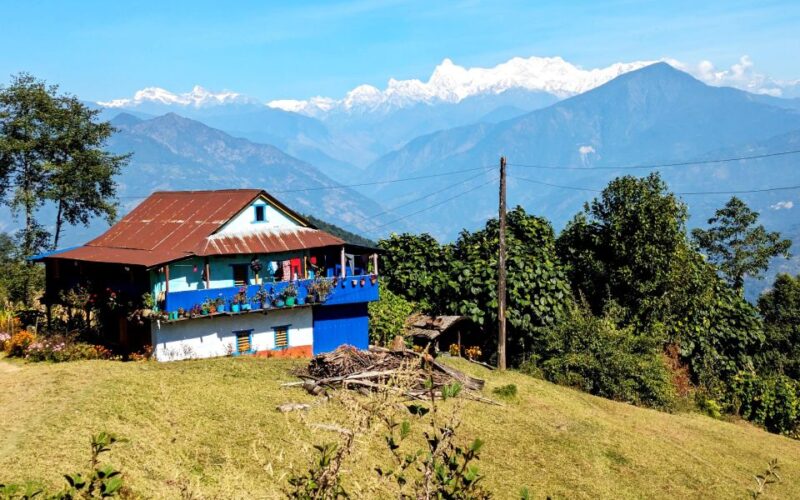
Accommodations during the Kanchenjunga Circuit Trek are comfortable and tailored to trekkers’ needs. Travelers stay in a mix of guesthouses, lodges, and campsites throughout the journey, with all meals provided.
Breakfast, lunch, and dinner are included daily, showcasing local Nepali cuisine alongside international dishes to cater to diverse dietary preferences. The meals are freshly prepared using quality local ingredients, ensuring both taste and nutritional value. Vegetarian, vegan, and gluten-free options are available upon request.
The lodges and guesthouses provide basic yet cozy amenities, including shared bathroom facilities. Campsites are set up by the experienced trek crew, ensuring a comfortable and safe overnight experience in the heart of the Himalayas.
Guide and Porter Services
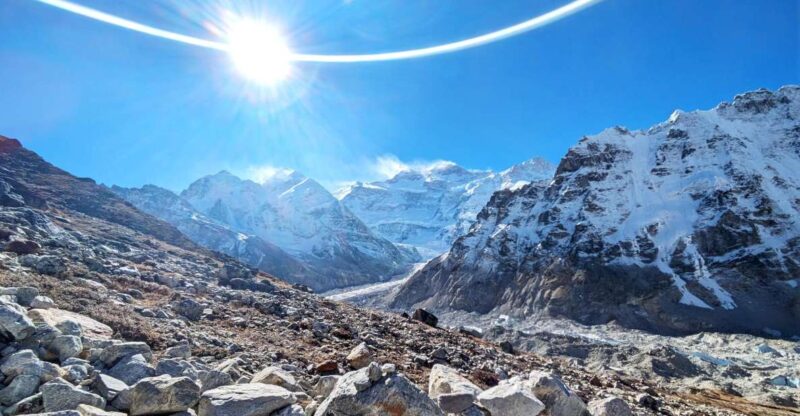
Experienced and knowledgeable guides are at the heart of the Kanchenjunga Circuit Trek, leading trekkers through the stunning Himalayan landscapes. They’re well-versed in the region’s history, culture, and flora and fauna, enriching the overall experience.
Alongside the guides, porters carry the bulk of the equipment, allowing trekkers to focus on the journey without the burden of heavy loads.
The benefits of having a guide and porter on the Kanchenjunga Circuit Trek include:
-
Navigating the challenging terrain and high-altitude passes with ease.
-
Providing insights into the local way of life and sharing cultural experiences.
-
Ensuring the safety and well-being of the trekking group throughout the journey.
Permits and Fees
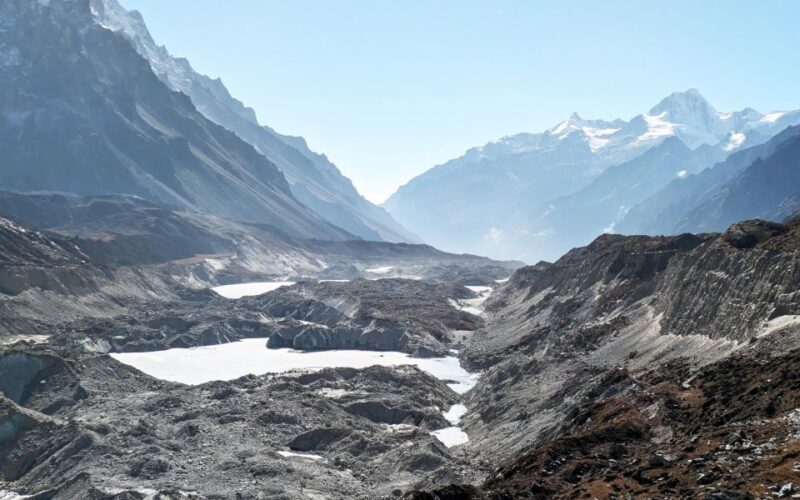
To embark on the Kanchenjunga Circuit Trek, trekkers must obtain the necessary permits and pay the required fees, which cover vital aspects of the journey.
The Kanchenjunga Conservation Area permit is mandatory and protects the region’s rich biodiversity. Trekkers must also pay the conservation fee to support sustainable tourism and environmental conservation efforts.
These permits and fees are included in the trek package, ensuring a seamless and hassle-free experience. Obtaining the proper documentation ahead of time is crucial, as it allows trekkers to focus on the spectacular landscapes, diverse wildlife, and culture that the Kanchenjunga Circuit Trek offers.
With these formalities taken care of, adventurers can fully enjoy the majesty of the Himalayas.
Travel Insurance
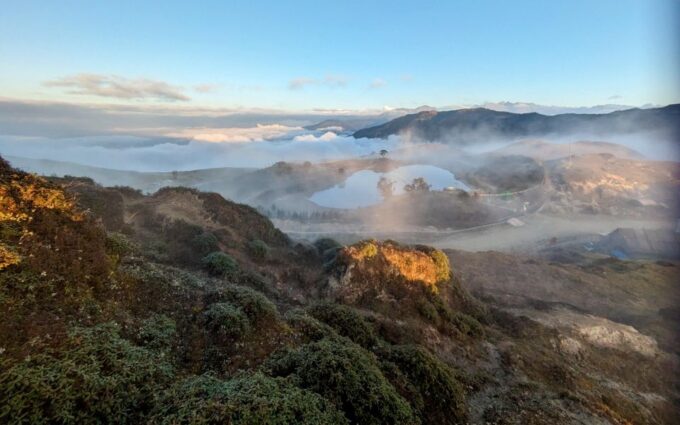
Comprehensive travel insurance is a crucial component of the Kanchenjunga Circuit Trek, protecting adventurers against unforeseen circumstances that may arise during the journey. This coverage typically includes:
-
Medical emergencies: Providing access to medical care and covering expenses related to injuries or illnesses that occur during the trek.
-
Trip cancellation or interruption: Safeguarding against financial losses if the trek is canceled or interrupted due to factors beyond the traveler’s control.
-
Gear and equipment protection: Covering the cost of replacing or repairing any lost, stolen, or damaged gear and equipment during the trek.
With the trekking route traversing the Kanchenjunga Conservation Area, having comprehensive travel insurance offers peace of mind and ensures a safe and enjoyable Himalayan adventure.
Booking and Cancellation
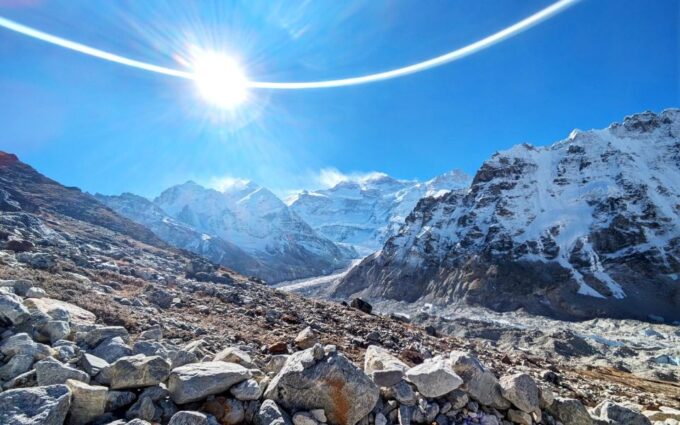
Booking the Kanchenjunga Circuit Trek is a straightforward process, with flexible options that allow travelers to reserve their spot and pay later.
The tour operator offers free cancellation up to 24 hours before the trek, providing a full refund to those who need to change their plans. This policy ensures that adventurers can secure their spot without worrying about unexpected circumstances that may arise.
Flexible booking options, including the ability to reserve now and pay later, make it easy for trekkers to plan their journey.
Should their plans change, the operator’s generous cancellation policy allows for a full refund, giving travelers peace of mind when committing to this thrilling Himalayan experience.
Excluded Expenses
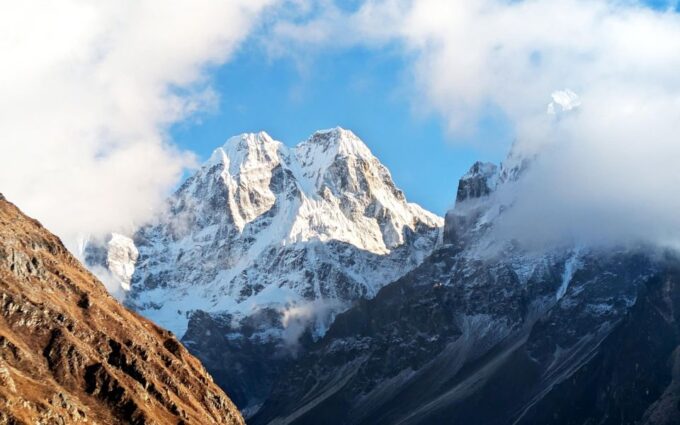
While the Kanchenjunga Circuit Trek package includes a comprehensive set of services, there are some additional expenses travelers should expect to cover.
Travelers will need to obtain a Nepal entry visa, which can be obtained upon arrival at the airport.
Plus, any excess baggage charges, typically around $1.5 per kilogram over the included 10 kg limit, will be the responsibility of the trekker.
On top of that, should travelers choose to extend their stay in Kathmandu beyond the scheduled itinerary, they’ll need to cover the costs of any extra night accommodations.
Frequently Asked Questions
What Is the Average Group Size for the Kanchenjunga Circuit Trek?
The typical group size for Kanchenjunga treks varies, but averages around 4-6 trekkers. This allows for a personalized experience while maintaining logistical efficiency. Larger or smaller groups can be accommodated based on a traveler’s preferences and needs.
Are There Any Age Restrictions for Trekkers?
There are generally no strict age restrictions for trekkers, though operators may have recommendations based on fitness and ability. Travelers of various ages can typically participate, with appropriate preparation and guidance from experienced guides.
Can I Bring My Own Hiking Equipment?
Yes, trekkers are generally allowed to bring their own hiking equipment on treks. However, it’s best to check with the tour operator beforehand to ensure compatibility and compliance with any specific requirements or restrictions for the trek.
How Much Time Is Needed for Acclimatization?
Proper acclimatization is crucial for trekking at high altitudes. It typically takes 2-3 days for the body to adjust to the reduced oxygen levels. Gradual ascent, rest days, and hydration are essential to prevent altitude sickness and ensure a safe, enjoyable trek.
What Is the Difficulty Level of the Sele La and Sinion La Passes?
The Sele La and Sinion La passes on the Kanchenjunga Trek are considered challenging, with an average daily altitude gain of 500-700 meters. Trekkers must be prepared for steep, rugged terrain and high elevations to safely navigate these high-altitude passes.
Recap
The Kanchenjunga Circuit Trek offers a remarkable opportunity to take in the breathtaking landscapes and vibrant culture of the Himalayas.
With its well-appointed accommodations, expert guides, and provision of all meals, the trek provides a seamless and comfortable experience for outdoor enthusiasts seeking an unforgettable adventure.
Whether seeking to conquer the world’s third-highest peak or simply revel in the region’s natural beauty, this trek delivers an unparalleled adventure that will create lasting memories.
You can check if your dates are available here:More Hiking & Trekking Tours in Nepal
More Tour Reviews in Nepal
Not for you? Here's more things to do in Nepal we have recnetly reviewed
- 9 Best 3 Day Tours In Nepal
- 7 Best 4 Day Tours In Nepal
- 3 Best 2 Day Tours In Nepal
- 3 Best Full-Day Tours In Nepal
- Jungle Tower Night Stay in Bardia National Park || 1 Night 2 Days
- 25 Best Tours In Nepal
- 10 Best Guided Tours In Nepal
- 10 Best National Park Tours In Nepal
- Barauli Cultural Program
- 2 Best Bike Tours In Nepal
- 2 Best Private Car With Driver Services in Nepal
- 2 Best Canoe And Kayak Experiences In Nepal