
Nestled within the stunning Gyoen National Garden, the Kyoto Imperial Palace stands as a remarkable testament to Japan’s rich imperial history. This architectural gem captivates visitors with its traditional Japanese design and meticulously maintained grounds. From the grand Shishinden main hall to the elegant Shodaiin and Kogosho, every detail reflects the refined aesthetics and ceremonial significance of this imperial legacy. Whether you’re exploring the palace’s enchanting gardens or enjoying its enduring cultural significance, the Kyoto Imperial Palace promises an unforgettable experience that’ll leave you eager to discover even more.
Key Points
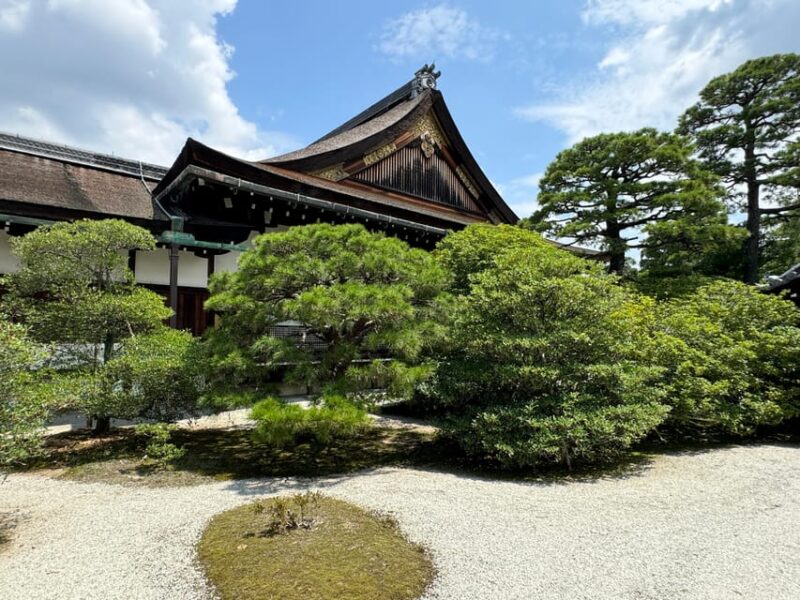
- Explore the architectural highlights of Kyoto Imperial Palace, including the Shishinden main hall, Shodaiin, Kogosho, and the symbolic Takamikura throne room.
- Discover the ceremonial functions and structures that underscored the palace’s role as the spiritual and political heart of the Japanese imperial legacy.
- Immerse in the meticulously maintained landscape of the Gyoen National Garden, featuring ornamental ponds, stone bridges, and pruned trees.
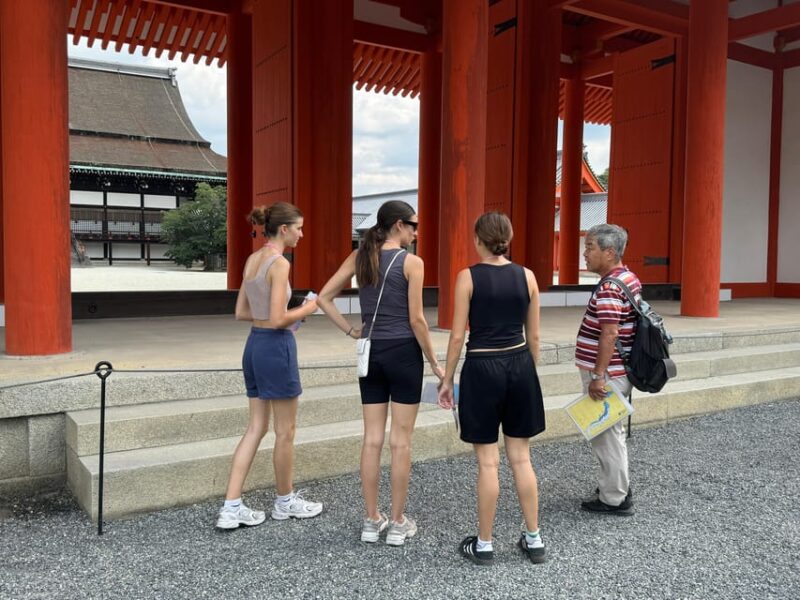
- Enjoy a wheelchair-accessible guided tour in English or Japanese, providing in-depth insights into the palace’s architecture, history, and cultural significance.
- Experience the palace’s commitment to accessibility and flexibility, with free entry and a 24-hour cancellation policy for guided tours.
Overview of Kyoto Imperial Palace
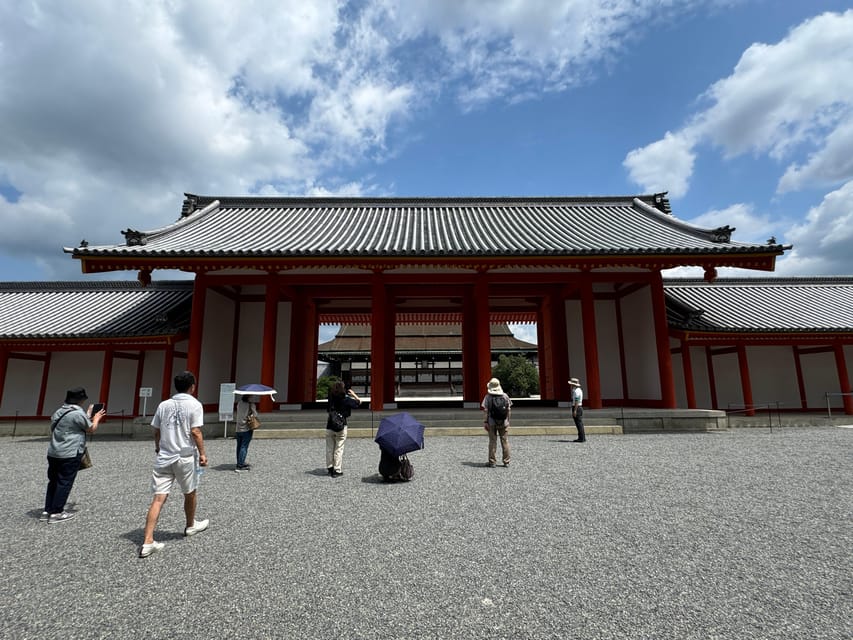
The Kyoto Imperial Palace once served as the primary residence for Japan’s imperial family, nestled within the tranquil Gyoen National Garden. This historic site is renowned for its traditional Japanese architecture and scenic gardens that captivate visitors.
The palace complex includes several buildings, with the Shishinden, or main hall, being a focal point for ceremonial functions and events. Guided tours lasting approximately 1.5 hours are available in both English and Japanese, providing guests with an in-depth exploration of this cultural treasure.
The palace grounds are wheelchair accessible, allowing everyone to experience the beauty and significance of this iconic landmark in Kyoto.
You can also read our reviews of more tours and experiences in Kyoto.
Architectural Highlights of the Palace
At the heart of the Kyoto Imperial Palace lies the Shishinden, the main hall where the Emperor would hold important ceremonies and rituals. This grand structure features a distinctive architectural style, with its sloped roof and ornate decorations. The palace also boasts several other noteworthy buildings, each with its own unique design and purpose.
| Building | Purpose | Architectural Style |
|---|---|---|
| Shodaiin | Imperial family’s living quarters | Traditional Japanese design |
| Kogosho | Archives and libraries | Elegant, refined aesthetic |
| Takamikura | Throne room | Elaborate, symbolically significant |
Exploring the palace’s architectural gems offers a glimpse into Japan’s rich cultural heritage and the enduring elegance of its imperial legacy.
Ceremonial Functions and Structures
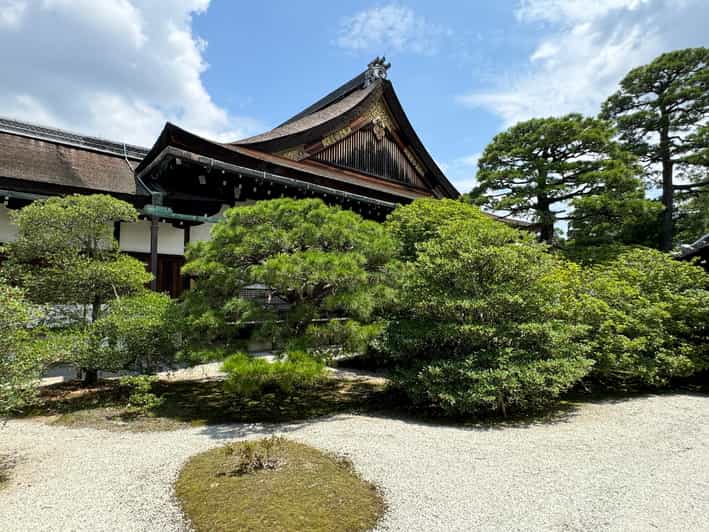
Beyond the palace’s architectural wonders, the Kyoto Imperial Palace also served as the stage for a myriad of ceremonial functions and rituals that were central to Japan’s imperial heritage.
The main hall, known as the Shishinden, was where the emperor would hold audiences and preside over important ceremonies.
Other structures, like the Seiryo-den and the Kogosho, were used for various imperial events such as enthronement rituals, weddings, and the New Year’s celebrations. These ceremonial spaces were designed with meticulous attention to detail, incorporating traditional Japanese aesthetics and symbolism to create an atmosphere of grandeur and solemnity befitting the imperial family.
The palace’s ceremonial functions underscored its role as the spiritual and political heart of the nation.
Exploring the Palace Grounds
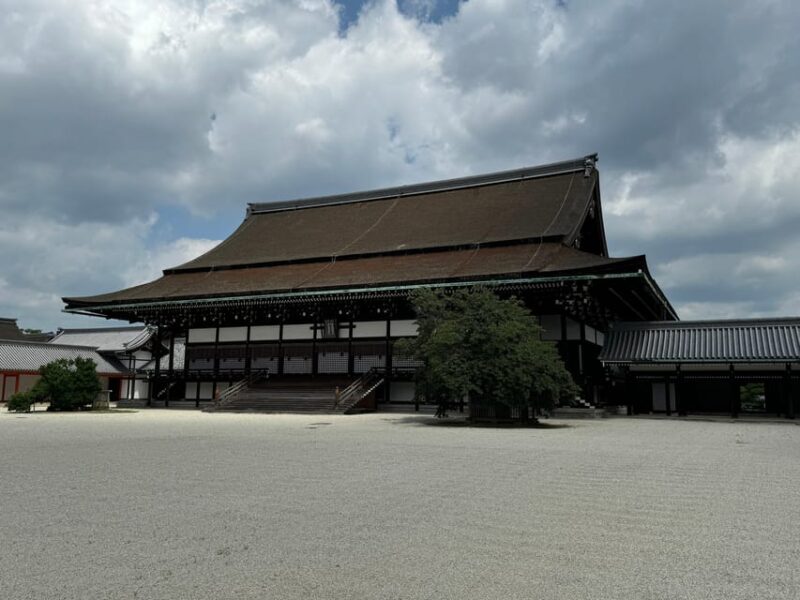
When visitors explore the expansive Kyoto Imperial Palace grounds, they’ll discover a meticulously maintained landscape that seamlessly blends traditional Japanese gardening techniques with stunning natural features. The palace sits within the Gyoen National Garden, offering a serene escape from the bustling city.
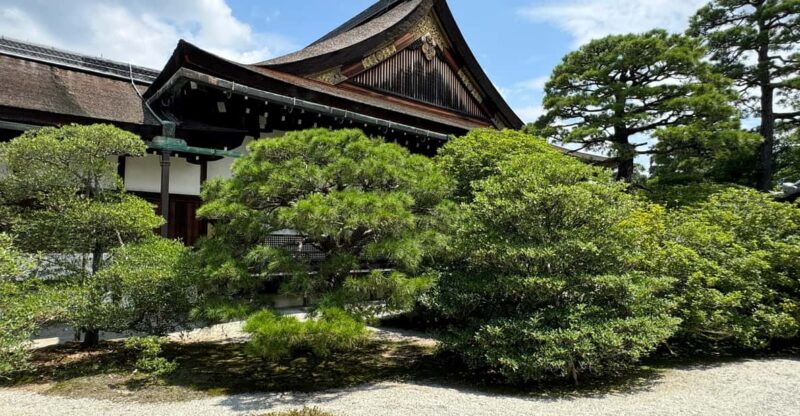
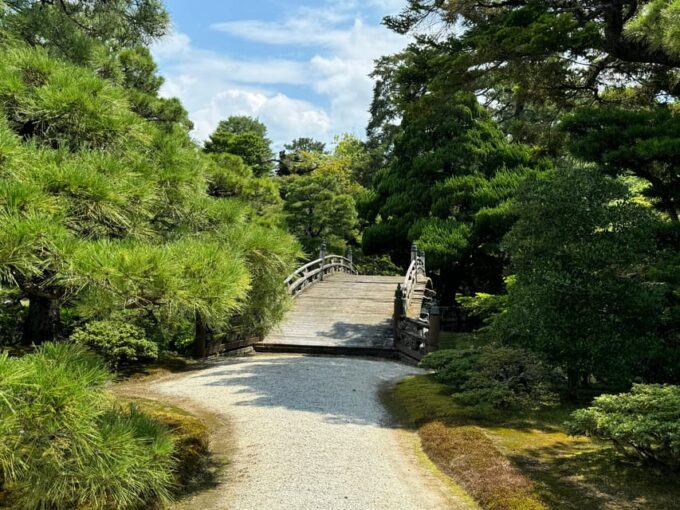
As they stroll through the lush greenery, guests can admire the ornamental ponds, stone bridges, and beautifully pruned trees. Highlights include the elegant Seiryu-en Garden and the Kogosho, a former residence of the imperial family.
Throughout the grounds, visitors will find traditional Japanese architectural elements, such as tile-roofed pavilions, that perfectly complement the natural surroundings. Exploring the palace grounds provides a glimpse into Japan’s rich cultural heritage and the refined aesthetics that have captivated visitors for centuries.
More Great Thing To Do NearbyDuration and Language Options
The guided tours of the Kyoto Imperial Palace provide visitors with an immersive experience, lasting approximately 1.5 hours. During this time, expert guides lead guests through the grounds, sharing insights into the rich history and significance of this iconic site. The tours are available in both English and Japanese, catering to international and domestic visitors alike.
| Tour Details | Information |
|---|---|
| Duration | 1.5 hours |
| Languages | English, Japanese |
| Accessibility | Wheelchair accessible |
| Admission | Free entry to Kyoto Imperial Palace |
This comprehensive tour offers a unique opportunity to explore the Kyoto Imperial Palace, allowing visitors to fully appreciate its architectural wonders and cultural significance.
Accessibility for Wheelchair Users
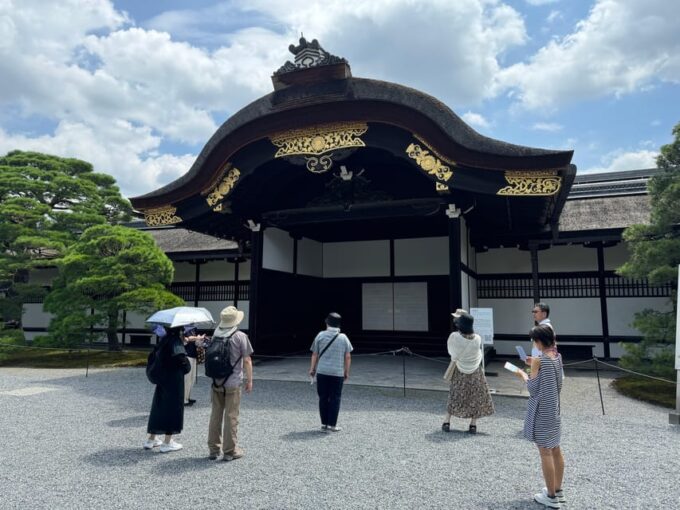
Kyoto Imperial Palace welcomes wheelchair users, offering an accessible tour experience. The palace grounds and main buildings are wheelchair-friendly, with ramps and elevators provided for easy access.
The guided tour lasts 1.5 hours and is available in both English and Japanese, ensuring everyone can fully appreciate the rich history and stunning architecture. Wheelchair users can explore the magnificent Shishinden main hall, as well as the other ceremonial structures and serene gardens.
The tour is free, and cancellations can be made up to 24 hours in advance at no cost, providing flexibility for visitors. Kyoto Imperial Palace’s commitment to accessibility ensures a memorable experience for all.
Free Entry and Expert Guidance
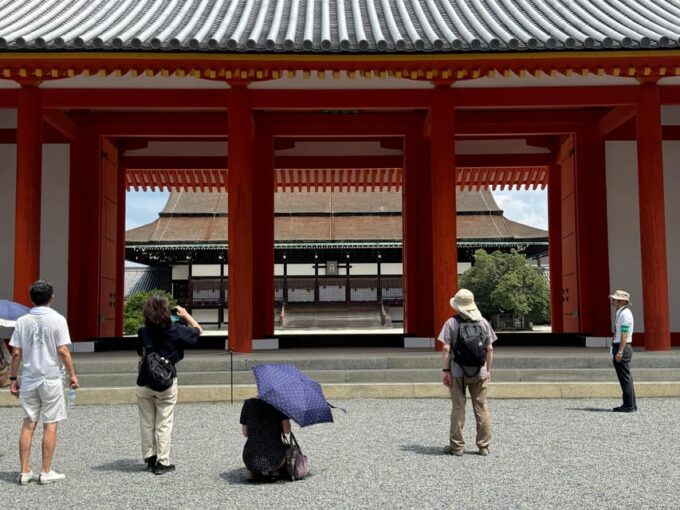
For visitors to Kyoto Imperial Palace, entry is free of charge, allowing everyone to explore the historic site without financial barriers. This makes the palace accessible to people from all walks of life, ensuring that the rich cultural heritage can be appreciated by a diverse audience.
Along With the free entry, the palace offers expert guided tours that provide valuable insights into the architectural wonders and the fascinating history of the imperial residence. These knowledgeable guides bring the palace to life, enhancing the visitor experience and ensuring a deeper understanding of Kyoto’s imperial legacy.
Flexible Cancellation Policy
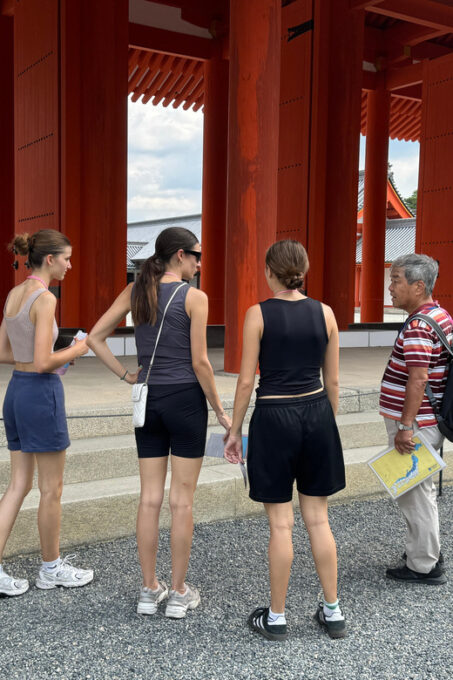
A flexible cancellation policy at the Kyoto Imperial Palace allows visitors to make changes to their tour plans with ease. Travelers can cancel their guided tour up to 24 hours in advance without any penalties. This policy provides guests with the flexibility to adjust their schedules as needed, ensuring a stress-free experience.
Whether unexpected circumstances arise or plans change, the cancellation policy caters to the needs of visitors, allowing them to make the most of their time at the historic imperial palace. This level of flexibility is a testament to the palace’s commitment to providing an exceptional and accommodating experience for all who wish to explore its rich history and stunning architecture.
Frequently Asked Questions
Can I Take Photos Inside the Palace?
Visitors are generally allowed to take photos inside the Kyoto Imperial Palace, except in certain restricted areas. However, the use of tripods and flash photography may be prohibited to preserve the historic site’s tranquility.
Are There Any Dress Code Requirements for Visitors?
Visitors to the Kyoto Imperial Palace are required to wear appropriate attire. Casual clothing like shorts and sleeveless tops are generally allowed, but visitors should avoid wearing overly revealing or disruptive outfits during their tour.
Is Food and Drink Allowed Inside the Palace?
Food and drink are generally not allowed inside the Kyoto Imperial Palace. Visitors are expected to refrain from consuming any eatables or beverages during their tour to preserve the palace’s historical integrity and cleanliness.
Can I Visit the Palace Independently Without a Guided Tour?
Yes, visitors can visit the Kyoto Imperial Palace independently without a guided tour. The palace grounds are open to the public, and visitors can explore the buildings and gardens at their own pace.
Are There Any Discounts Available for Students or Seniors?
Yes, there are discounts available for students and seniors visiting the Kyoto Imperial Palace. Students and seniors can get a reduced entry fee by presenting valid ID at the entrance.
Recap
Kyoto Imperial Palace offers visitors a captivating glimpse into Japan’s imperial past. With its exquisite Japanese architecture, meticulously maintained gardens, and rich cultural history, the palace provides an immersive and accessible experience for all. Whether exploring the grand Shishinden hall or strolling through the serene Gyoen National Garden, visitors can gain invaluable insights into the enduring significance of this remarkable imperial legacy.
You can check if your dates are available here:More Tour Reviews in Kyoto
- The Art of Geisha: Exclusive Show & Traditional Japanese Game
- Tea Ceremony With Kimono and Professional Photoshoot in Kyoto
- Kyoto Arashiyama Bamboo Forest Hidden Hiking Tour
- Kyoto Early Morning Walking Tour: Nature & History
- Small-Group Dinner Experience in Kyoto With Maiko and Geisha
- Private Kyoto Night Tour: Historic Walk at Gion and Fushimi
Not for you? Here's more things to do in Kyoto we have recnetly reviewed
- 5 Best Cruises And Boat Tours In Kyoto
- 14 Best Dining Experiences In Kyoto
- 20 Best Full-Day Tours In Kyoto
- 5 Best 2 Day Tours In Kyoto
- 2 Best 4 Day Tours In Kyoto
- 20 Best Photography Experiences In Kyoto
- 13 Best Dinner Tours In Kyoto
- 25 Best Food Tours In Kyoto
- 14 Best Lunch Experiences In Kyoto
- Kyoto Bus Tour: Iconic KInkakuji, Ginkakuji, Kiyomizu Temple (AW)
- Kyoto Bus Tour: Arashiyama, Kinkaku-ji Review
- Gyoza Cooking Class in Kyoto: Traditional Japanese Dumplings