
Kyoto’s Sanjo area offers a captivating glimpse into the city’s architectural evolution, blending traditional Japanese design with a touch of modern European flair. Led by an expert guide, this tour delves into the eclectic mix of historic structures that have been thoughtfully repurposed to suit contemporary needs, showcasing the seamless integration of old and new. From the Kyoto Meilin Elementary School‘s harmonious fusion of styles to the Kyoto Post Telegraph Office’s striking facade, each landmark tells a story of Kyoto’s adapting identity. Prepare to explore this captivating intersection of East and West, where the past and present converge in a visually striking display.
Key Points
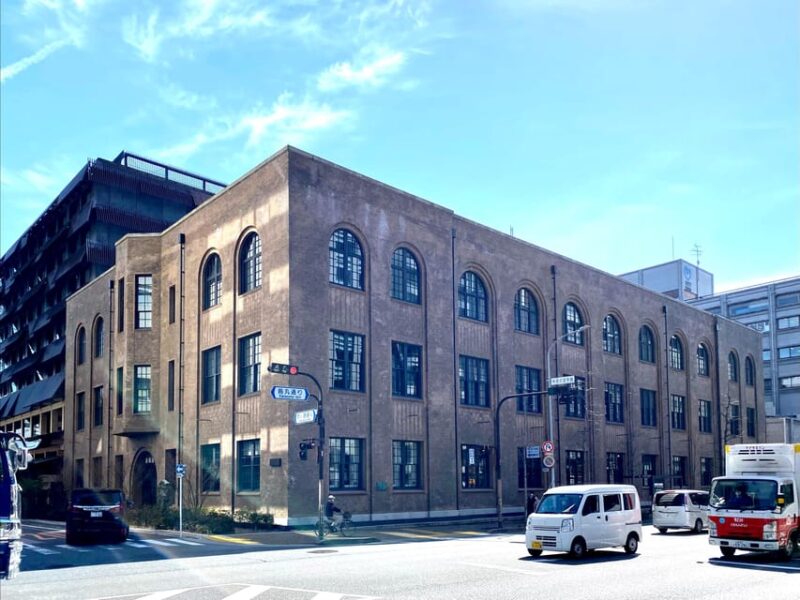
- A 1.5-hour guided tour led by an architectural expert, Naotake Maeda, exploring Kyoto’s modern European-influenced buildings in the Sanjo area.
- The tour covers admission and transport costs, and the group size is limited to 10 participants.
- Highlights include the Kyoto Meilin Elementary School, the former Yamaguchi Bank Kyoto Branch, and the Kyoto Post Telegraph Office.
- The tour showcases a blend of traditional Japanese and modern European architectural elements in these historic buildings.
- Tour participants should be prepared for extensive walking and use public transportation, as no parking is available.
Tour Overview
The Kyoto Modern Architecture Tour is a walking exploration of the city’s diverse European-style buildings and their unique histories. Lasting 1.5 hours, the tour is guided by architectural expert Naotake Maeda and limited to a small group of 10 participants.
Along the way, visitors will receive expert commentary on the evolution of Kyoto’s streetscape and observe a range of structures, from historic banks to post offices. The tour includes material distribution, assistance from non-Japanese speaking staff if required, and covers all admission and transport costs.
Participants are advised to wear comfortable attire and use public transportation, as parking is unavailable.
You can also read our reviews of more tours and experiences in Kyoto.
Architectural Highlights
Visitors on the Kyoto Modern Architecture Tour will explore a diverse array of European-style buildings, each with a unique history and architectural significance. The tour highlights include the Kyoto Meilin Elementary School, now the Kyoto Art Centre, which showcases a mix of Japanese and Western design. The former Yamaguchi Bank Kyoto Branch, now the Hase Building Head Office, displays a neoclassical façade.
The Fumitsubaki Building, originally the Nishimura Bouten building, features an Art Nouveau influenced design. The Shinpukan, once the Kyoto Central Telephone Station, exemplifies early 20th-century modernist architecture. Each stop provides an opportunity to observe the evolution of Kyoto’s streetscape through the lens of its impressive built heritage.
Kyoto Meilin Elementary School
Kyoto Meilin Elementary School, now the Kyoto Art Centre, showcases a captivating blend of Japanese and Western architectural influences. Constructed in 1934, this historic building initially served as a public school before being repurposed as an art hub.
The structure’s key features include:
- A striking symmetrical façade with a central entrance flanked by elegant columns.
- A harmonious mix of traditional Japanese roof tiles and modern European-style windows.
- Intricate decorative motifs that reflect the building’s dual cultural heritage.
Today, the former Kyoto Meilin Elementary School stands as a testament to the city’s architectural evolution, inviting visitors to explore its rich history and appreciate its architectural significance.
Former Yamaguchi Bank Kyoto Branch
Amidst the bustling streets of Kyoto’s commercial district, the former Yamaguchi Bank Kyoto Branch stands as a testament to the city’s architectural evolution. Constructed in 1934, this two-story building showcases a blend of Western and Japanese design elements.
Its facade features a symmetrical layout with a central entrance, decorated with ornate stonework and large windows. The interior boasts high ceilings and an open floor plan, typical of banking institutions of the era. Today, the building has been repurposed as the Hase Building Head Office, preserving its historic charm while adapting to modern needs.
This stop on the tour offers a glimpse into Kyoto’s past, as well as the ongoing transformation of its urban landscape.
More Great Thing To Do NearbyKyoto Post Telegraph Office
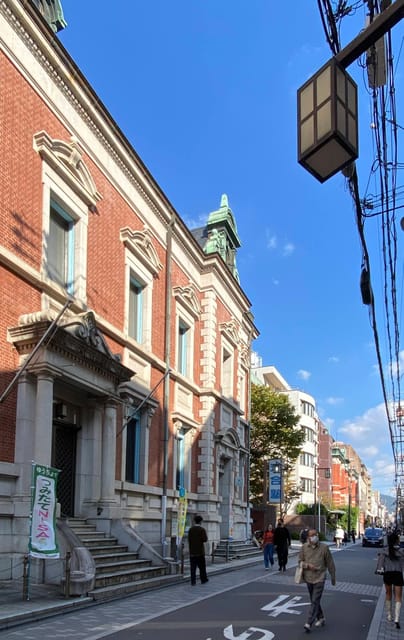
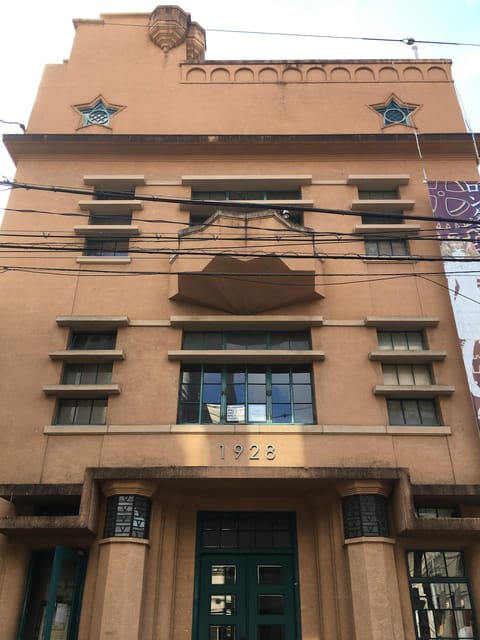
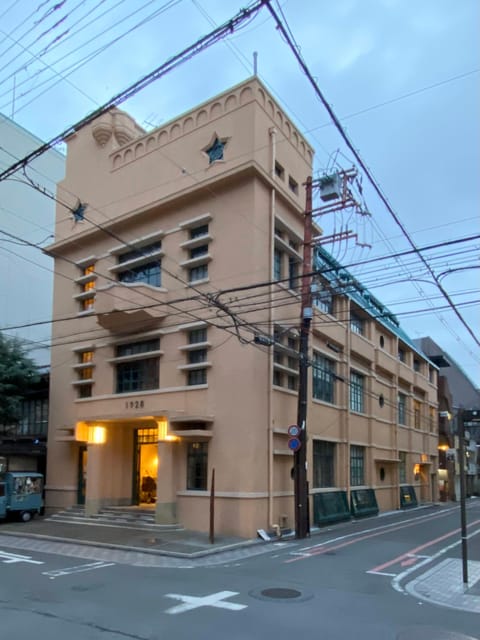
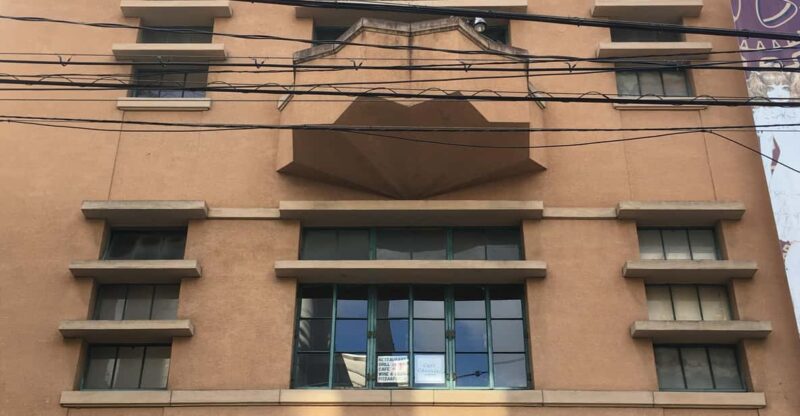
Leaving the Hase Building behind, the tour now heads to the former Kyoto Post Telegraph Office. This grand neoclassical structure, built in 1928, served as the central hub for postal and telegraphic communications in the region.
The tour guide highlights several key features:
- The building’s symmetrical facade with prominent columns and pediment, reflecting the architectural style popular in early 20th-century government buildings.
- The intricately detailed main entrance, adorned with elegant carvings and decorative elements.
- The spacious interior, which once housed sorting rooms, telegraph stations, and administrative offices, now repurposed as a modern post office.
The group examines how this historic landmark has adapted to changing times while preserving its architectural integrity.
Bank of Japan Kyoto Branch
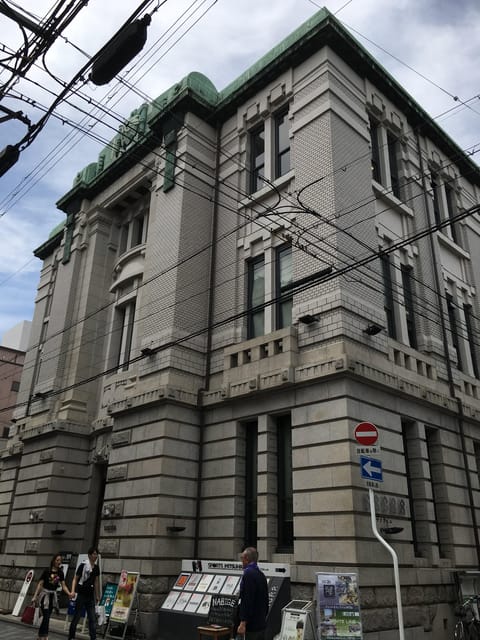
The next stop on the tour is the former Bank of Japan Kyoto Branch, now known as Kyoto Culture. Constructed in 1931, this classic Renaissance-style building originally housed the Kyoto branch of the Bank of Japan.
The ornate stone facade and grand entrance exemplify the prestigious status of the bank in the early 20th century. Today, the building has been repurposed as a cultural center, housing exhibition spaces, a cafe, and offices. Visitors can admire the well-preserved interior and exterior features that evoke Kyoto’s architectural heritage.
The Bank of Japan Kyoto Branch stands as a testament to the city’s evolution, blending historical significance with modern adaptations.
Yabetoku Tokeiten Watch Shop
The Yabetoku Tokeiten Watch Shop, now known as the MARcourt Kyoto Sanjo Store, stands as a unique architectural gem along the tour route. This former watch shop, built in the 1930s, showcases the distinctive Art Deco style that was popular during that era.
Key features of the Yabetoku Tokeiten building include:
- Sleek, geometric facade with clean lines and symmetrical design.
- Prominent clock tower that was originally used to display the time.
- Intricate metalwork and glass elements that add visual interest to the building’s exterior.
Today, the structure continues to captivate visitors with its well-preserved historic charm and elegant modernist aesthetics.
Important Information
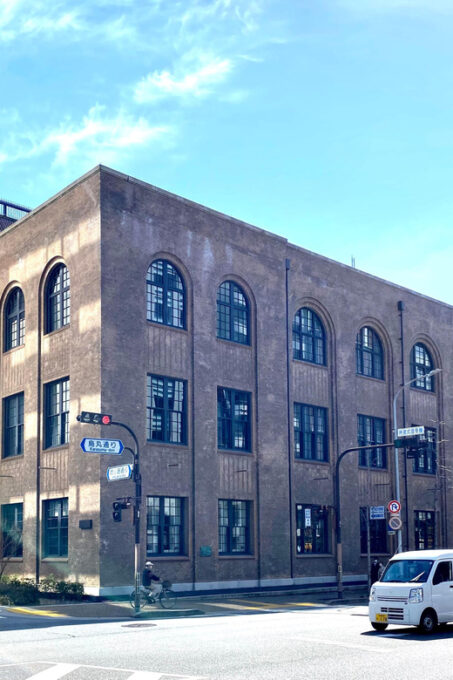
As participants explore the architectural marvels along the tour, they’ll want to keep a few important considerations in mind. First and foremost, they’ll need to watch out for other pedestrians on the streets, as the tour will take place in populated areas.
Plus, the tour may be canceled in the event of inclement weather, so participants should check for updates prior to the event. Comfortable clothing and shoes are a must, as the tour involves extensive walking.
Frequently Asked Questions
How Suitable Is the Tour for Individuals With Mobility Issues?
The tour may not be fully suitable for individuals with mobility issues. While the itinerary covers diverse sites, the 1.5-hour walking tour could pose challenges for those with limited mobility. Alternative arrangements should be discussed with the tour operator in advance.
Can We Take Photos During the Tour for Personal Use?
Participants are generally allowed to take photos during the tour for personal use. However, they should be mindful of not disrupting the guide’s commentary or blocking other participants’ views. Photography policies may vary at some sites, so travelers should follow any site-specific instructions.
Are There Any Opportunities for Purchasing Souvenirs Along the Route?
The tour does not include any scheduled stops for purchasing souvenirs. However, participants may find small shops or galleries of interest along the route where they can browse and potentially make purchases during free time.
Is There a Dress Code or Any Restrictions on Attire for the Tour?
There’s no strict dress code, but participants are advised to wear comfortable, weather-appropriate clothing and shoes. No specific restrictions, just aim for attire that allows easy walking during the 1.5-hour tour.
Can the Tour Be Customized to Focus on Specific Architectural Styles?
The tour can be customized to focus on specific architectural styles. Participants can discuss their interests with the tour guide, Naotake Maeda, who’ll tailor the itinerary to showcase buildings that exemplify the desired architectural styles.
Recap
This guided tour of Kyoto’s Sanjo area provides an insightful exploration of the city’s architectural heritage, showcasing a harmonious blend of traditional Japanese and modern European design elements. Participants can expect a deep dive into historic landmarks that have been thoughtfully repurposed to suit contemporary needs while preserving their architectural integrity. Led by an expert, the experience offers a unique opportunity to understand the evolution of Kyoto’s streetscape.
You can check if your dates are available here:More Tour Reviews in Kyoto
- The Art of Geisha: Exclusive Show & Traditional Japanese Game
- Tea Ceremony With Kimono and Professional Photoshoot in Kyoto
- Kyoto Arashiyama Bamboo Forest Hidden Hiking Tour
- Kyoto Early Morning Walking Tour: Nature & History
- Small-Group Dinner Experience in Kyoto With Maiko and Geisha
- Private Kyoto Night Tour: Historic Walk at Gion and Fushimi
Not for you? Here's more things to do in Kyoto we have recnetly reviewed
- 5 Best Cruises And Boat Tours In Kyoto
- 14 Best Dining Experiences In Kyoto
- 20 Best Full-Day Tours In Kyoto
- 5 Best 2 Day Tours In Kyoto
- 2 Best 4 Day Tours In Kyoto
- 20 Best Photography Experiences In Kyoto
- 13 Best Dinner Tours In Kyoto
- 25 Best Food Tours In Kyoto
- 14 Best Lunch Experiences In Kyoto
- Kyoto Bus Tour: Iconic KInkakuji, Ginkakuji, Kiyomizu Temple (AW)
- Kyoto Bus Tour: Arashiyama, Kinkaku-ji Review
- Gyoza Cooking Class in Kyoto: Traditional Japanese Dumplings