
Brutalist architecture has left an indelible mark on London’s urban landscape. This walking tour offers an in-depth exploration of the city’s iconic Brutalist buildings, delving into their history, engineering, and cultural impact. From the imposing concrete forms of the National Theatre to the maze-like Barbican Estate, you will discover how these monumental structures reflect the functional, economical, and socially progressive vision of their architects. Uncovering the stories behind these bold, uncompromising designs promises to shed light on a pivotal chapter in the city’s architectural evolution.
Key Points
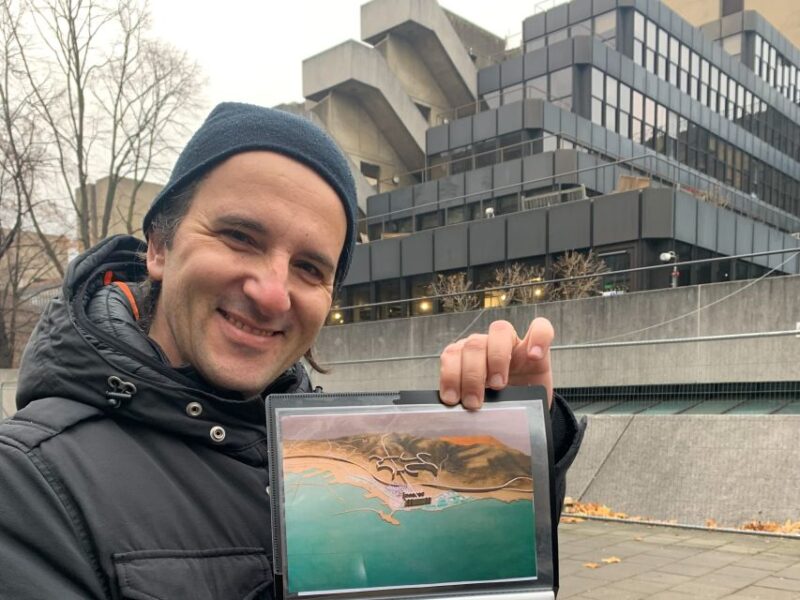
- This 2.5-hour walking tour explores London’s iconic Brutalist architecture, including the National Theatre, Barbican Estate, and Institute of Education.
- Participants will learn about the history, engineering, and cultural impact of the Brutalist style that defined post-war modernist architecture.
- The tour showcases how Brutalist buildings used raw concrete, monumental forms, and structural expression to convey a sense of power and functionality.
- Highlights include the dramatic tiered design of the National Theatre and the cube-like Institute of Education, exemplifying Brutalism’s emphasis on materiality and scale.
- The tour covers the complex legacy of Brutalism, as the style continues to evoke strong reactions for its perceived coldness or honesty in urban design.
Tour Overview
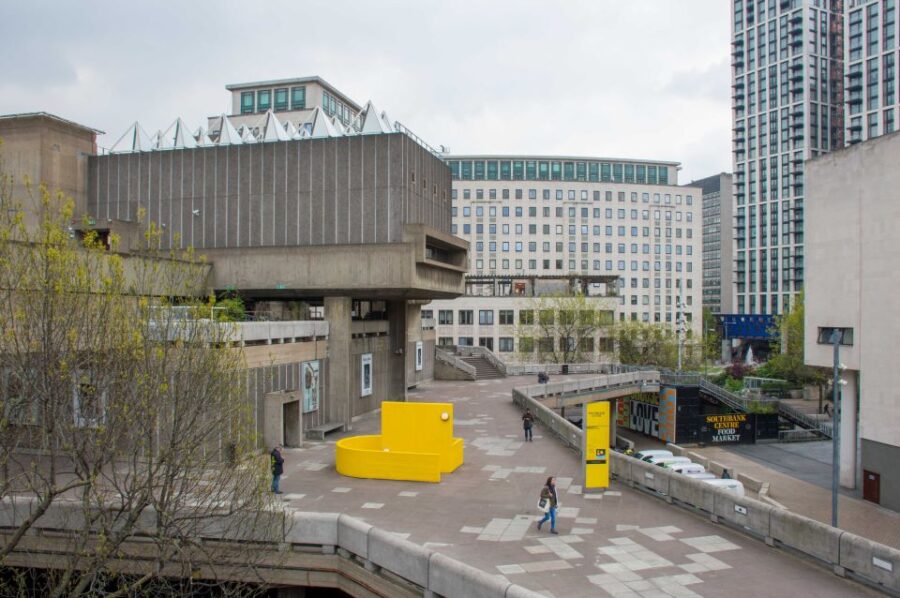
This 2.5-hour walking tour in central London allows visitors to discover the city’s post-war Brutalist architecture and learn about the history and engineering behind this distinctive style.
Participants will see notable Brutalist landmarks like the National Theatre and explore an alternate side of the city. The educational and informative tour provides insights into Modernist monumental architecture and its cultural and social impact.
Guests will admire or recoil at examples of Brutalism such as the Institute of Education. The tour includes public transportation costs within Zone 1 and isn’t suitable for those with mobility issues.
Minimum age is 16 years, and the tour may be postponed or canceled due to poor weather conditions.
If you're enjoying exploring London on foot, you'll love these other walking tours we recommend
Discovering Brutalist Architecture
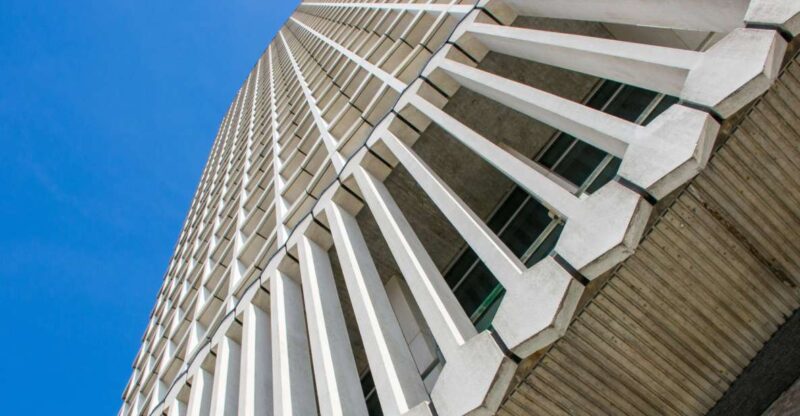
Brutalist architecture, a powerful and uncompromising style that emerged in the mid-20th century, left an indelible mark on London’s urban landscape. This walking tour invites participants to explore the city’s most significant Brutalist landmarks, gaining insight into the history, engineering, and cultural impact of this architectural movement.
| Building | Architect | Year |
|---|---|---|
| National Theatre | Sir Denys Lasdun | 1976 |
| Institute of Education | Sir Denys Lasdun | 1977 |
| Barbican Estate | Chamberlin, Powell, and Bon | 1982 |
| Robin Hood Gardens | Alison and Peter Smithson | 1972 |
As the tour unfolds, visitors will marvel at the monumental forms, raw concrete facades, and innovative engineering that defined Brutalism, and consider how these buildings reflected the social and political aspirations of the post-war era.
History of Brutalist Style
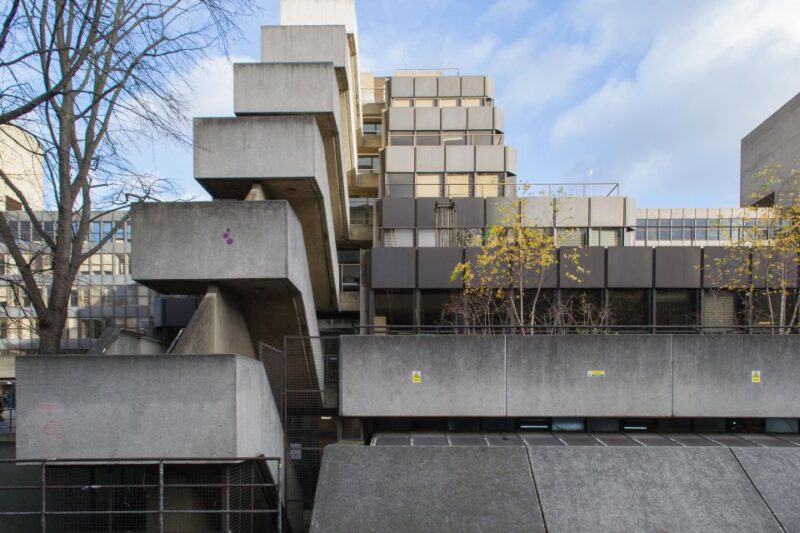
Emerging in the aftermath of World War II, Brutalist architecture arose as a defiant response to the perceived flaws of earlier modernist styles, championing an honest and unapologetic use of raw, exposed concrete.
Influenced by the rugged, sculptural forms of Le Corbusier’s béton brut, Brutalism emphasized materiality, structural expression, and monumental scale. Brutalist architects sought to create buildings that were functional, economical, and socially progressive, reflecting the egalitarian ideals of the post-war period.
The style’s stark, imposing aesthetic quickly became associated with governmental and institutional buildings, exemplified by iconic structures like London’s National Theatre and the Barbican Centre. While divisive, Brutalist architecture remains a powerful and influential chapter in the story of 20th-century design.
Landmarks of Brutalism
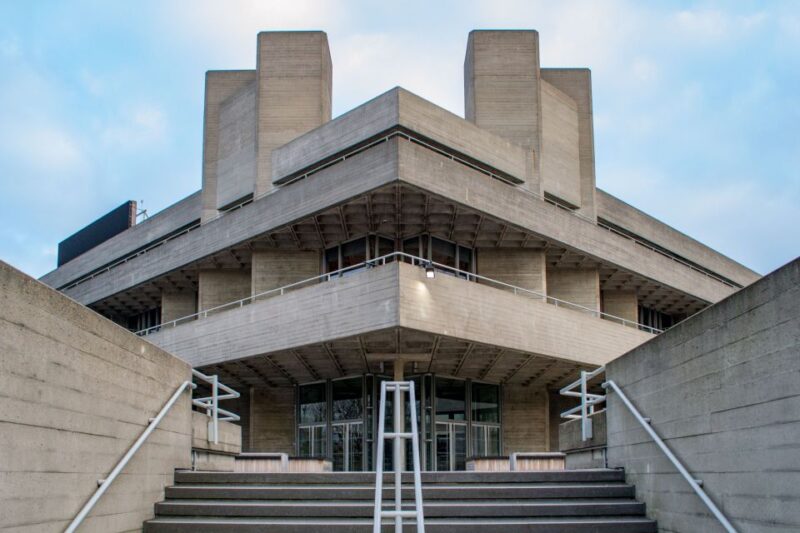
While Brutalist architecture arose as a bold, defiant response to earlier modernist styles, its most iconic landmarks can be found throughout London’s cityscape.
From towering governmental buildings to sprawling cultural complexes, these striking concrete structures continue to captivate and divide onlookers.
On the walking tour, you will discover such renowned Brutalist icons as the National Theatre, a dramatic tiered building overlooking the River Thames, and the Institute of Education, a monumental cube-like form that exemplifies the movement’s emphasis on function and raw materials.
These landmarks, among others, showcase the Brutalists’ unapologetic embrace of exposed concrete and geometric forms, leaving a lasting impression on the urban landscape.
More Great Thing To Do NearbyModernist Monumental Architecture
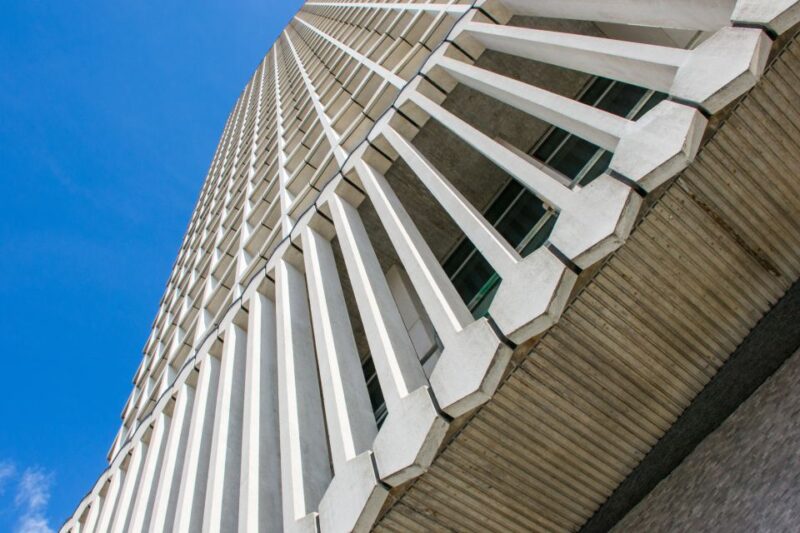
Modernist monumental architecture often prioritizes grand, imposing forms and extensive use of concrete, reflecting its emphasis on functionalism and structural expression. This architectural style aims to convey a sense of power, authority, and ambition through massive, geometric structures.
Some notable examples of Modernist monumental architecture include:
- The towering, Brutalist-influenced design of the National Theatre, which dominates the surrounding area with its striking, angular concrete forms.
- The Institute of Education, a structure that evokes awe and wonder with its sheer scale and visual weight.
The Barbican Estate, a sprawling residential and arts complex renowned for its bold, unapologetic Brutalist aesthetic.
The Royal National Theatre, a building that commands attention with its dramatic, cantilevered concrete volumes.
Fascinated by London's past? More historical tours we've covered
Cultural and Social Impact
Brutalist architecture has long been a point of contention, eliciting strong reactions from both admirers and critics due to its unapologetic, imposing aesthetic. While some see these buildings as symbols of strength, functionality, and honesty, others view them as cold, unfeeling, and disruptive to the urban landscape. The cultural and social impact of Brutalism is complex, evoking debates around the role of architecture in shaping public spaces and community identity.
| Perspectives on Brutalist Architecture | ||
|---|---|---|
| Admirers | Functionality | Honesty |
| Critics | Cold | Disruptive |
| Both | Strength | Public Spaces |
Tour Inclusions and Information
The walking tour includes a live guide who’ll lead participants through central London neighborhoods to discover notable Brutalist landmarks. Participants will have their public transportation costs within Zone 1 covered as part of the tour.
However, the tour may be postponed or canceled due to unfavorable weather conditions, and a minimum age of 16 years is required.
� Not suitable for those with mobility impairments
� Participants need to have enough credit for one tube journey within Zone 1
�️ Free cancellation up to 24 hours in advance
� Reserve now and pay later to book your spot
Booking and Cancellation
Participants can book the tour and have the option to cancel their reservation up to 24 hours in advance at no additional cost. They can reserve their spot now and pay later to secure their place on the tour.
This provides flexibility for those interested in exploring London’s Brutalist architecture but may need to change their plans. The free cancellation policy ensures participants don’t lose their money if they can’t make the tour.
Booking the tour is straightforward, allowing visitors to easily plan their Brutalist architecture adventure in the city. With the option to reserve now and pay later, it’s a convenient way to secure a spot on this unique walking tour.
Recap
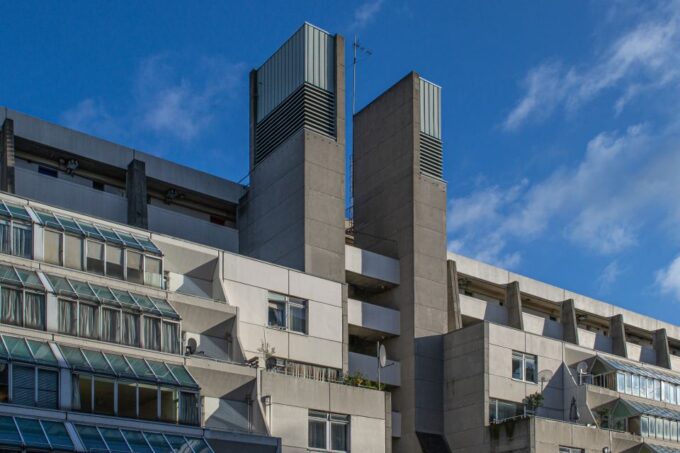
This walking tour offers an in-depth exploration of London’s iconic Brutalist architecture, uncovering the history, engineering, and cultural impact of this bold, monumental style.
Participants will discover landmark buildings that showcase the functional, economical, and socially progressive vision of Brutalist architects, and gain insight into how this architectural movement left an indelible mark on the city’s urban landscape.
You can check if your dates are available here:More Walking Tours in London
More Tours in London
More Tour Reviews in London
- London to Southampton Cruise Port Including Stonehenge
- Great Artists : Impressionists, Monet & Private Art Studios
- The Sweet Spots of Covent Garden
- Luxury Private Day Hire London-London Stopover at Windsor & Hampton Court Palace
- E-Scavenger Hunt London: Explore the City at Your Own Pace
- London Westminster With Big Ben Private Professional Photo Shoot 60MIN
Not for you? Here's more things to do in London we have recnetly reviewed
- 2 Best Craft Beer Tours And Tastings In London
- 8 Best 3 Day Tours In London
- 25 Best Cruises And Boat Tours In London
- 20 Best Christmas Experiences In London
- 25 Best Dining Experiences In London
- 20 Best Full-Day Tours In London
- 2 Best 2 Day Tours In London
- 2 Best Pasta Experiences In London
- 4 Best Private Car With Driver Services In Brighton
- 2 Best Private Car With Driver Services In Crawley
- 3 Best Private Car With Driver Services In Epsom
- 3 Best Private Car With Driver Services In Guildford