
Naxos Island offers a captivating cultural odyssey. Explore the ancient Temple of Demeter, a 6th-century BC sanctuary to Greek deities. Wander through Damalas, where master potters craft traditional ceramics inspired by the island’s landscapes. Enjoy Chalki’s neoclassical architecture, then discover Filoti’s folklore and cuisine. Ascend to Apeiranthos, home to 17th-century towers and an archaeological museum showcasing Cycladic antiquities. Delve deeper into Naxos’s enchanting villages and uncover the island’s timeless allure.
Key Points
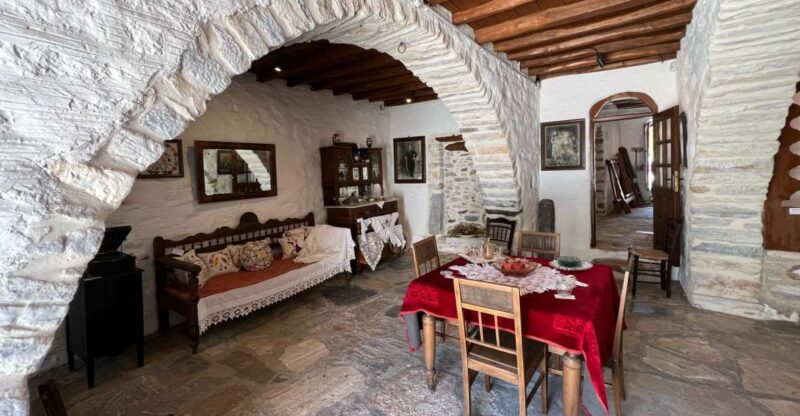
- Explore the ancient Temple of Demeter, dedicated to Greek deities and offering insights into the island’s rich cultural heritage.
- Discover the traditional pottery workshops of Damalas, showcasing intricate designs inspired by Naxos’ natural landscapes and cultural legacy.
- Admire the charming neoclassical architecture of Chalki, with its symmetrical facades, ornate columns, and a local citrus museum.
- Experience the authentic folklore and cuisine of Filoti, the largest village on Naxos, with its cultural museums and traditional products.
- Visit the mountainous Apeiranthos, home to 17th-century Frankish towers and an archaeological museum featuring Cycladic-era artifacts.
Temple of Demeter
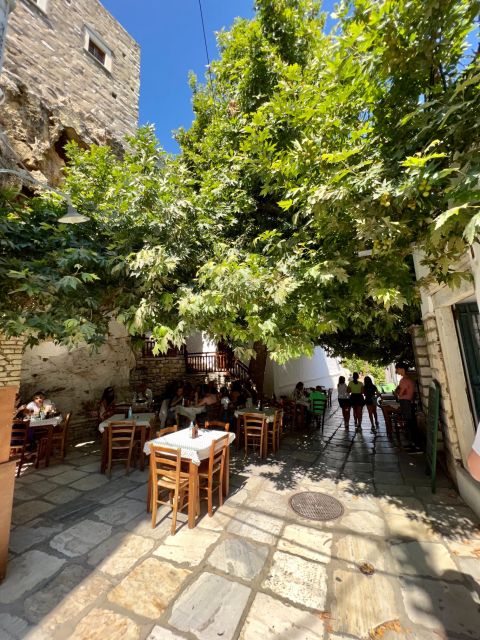
The Temple of Demeter, a well-preserved archaeological site, was built in 530-520 BC and dedicated to the Greek deities Apollo, Demeter, and Persephone. It’s located in a fertile valley next to the village of Sangri on Naxos Island.
The temple’s impressive columns and architectural details provide insight into the island’s rich cultural heritage and religious practices from the ancient era. Visitors can explore the ruins and imagine the grandeur of this once-thriving sacred site.
The Temple of Demeter offers a glimpse into the island’s past and serves as a testament to the enduring significance of Naxos in Greek history and mythology.
You can also read our reviews of more tours and experiences in Greece.
Damalas and Its Ceramics
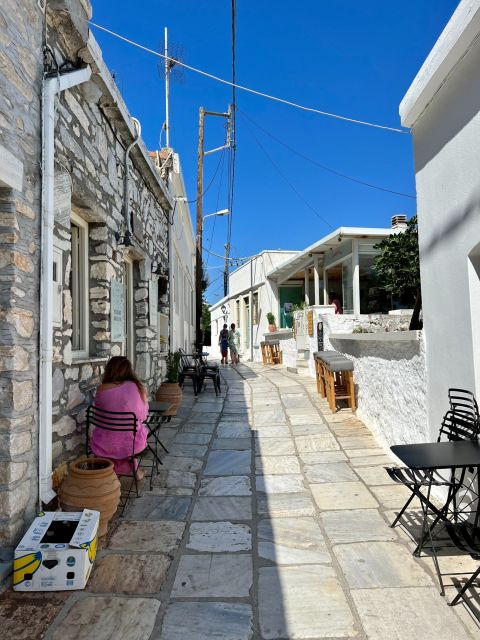
Beyond the well-preserved ruins of the Temple of Demeter, Naxos island boasts another unique attraction: the village of Damalas, renowned for its captivating ceramic creations.
Rooted in the late 19th century, the local pottery tradition is carried on by master craftsman Manolis Libertas. Visitors can explore Damalas’ workshops and marvel at the wide range of traditional kitchen utensils, decorative items, and unique ceramics on display.
The village’s ceramics are characterized by:
- Intricate designs inspired by the island’s natural landscapes and cultural heritage.
- Use of high-quality local clay, resulting in durable and functional pieces.
- Techniques passed down through generations, ensuring the preservation of this artisanal legacy.
Chalki’s Neoclassical Architecture
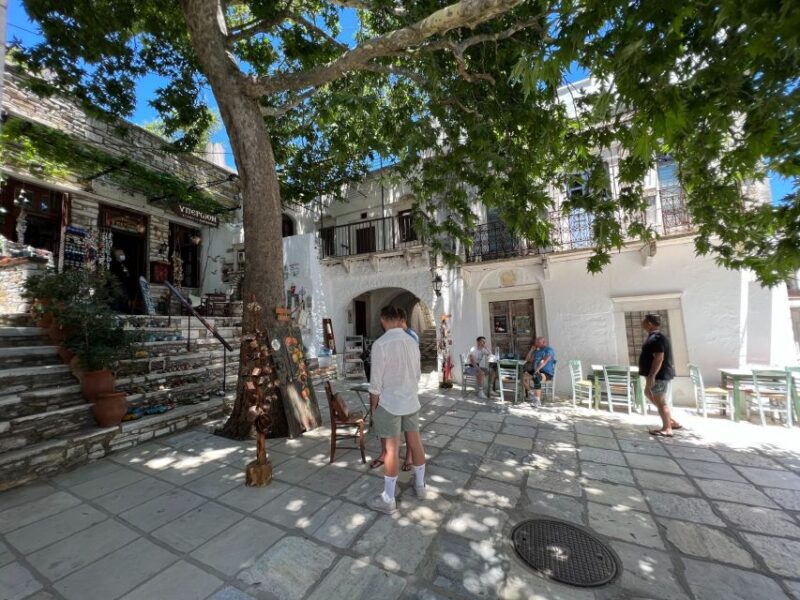
Nestled on the Tragaia plateau at an altitude of 270-280 meters, the village of Chalki proudly showcases its neoclassical architectural treasures.
The charming mansions and buildings in this village exemplify the refined aesthetics of the 19th-century Greek neoclassical style. Visitors can marvel at the symmetrical facades, ornate columns, and intricate stonework that adorn the historic structures.
Chalki’s neoclassical heritage is further celebrated at the local citrus museum, which highlights the village’s agricultural traditions.
Exploring Chalki’s narrow streets and admiring its well-preserved neoclassical architecture offers a glimpse into the island’s rich cultural legacy, transporting visitors back in time to the elegance of a bygone era.
Filoti’s Folklore and Cuisine

As the largest village in Naxos, Filoti sits at the foot of Mount Zas, nestled at an altitude of 400 meters.
Visitors to this charming locale can explore its array of folklore museums, enjoy the serene church of Panagia, and indulge in the tantalizing local cuisine.
The village boasts:
-
Authentic folklore museums showcasing the island’s rich cultural heritage.
-
The stunning church of Panagia, a testament to Naxos’ architectural prowess.
-
A variety of shops offering traditional products and a chance to savor the flavors of local gastronomy.
Whether you’re seeking culture or culinary delights, Filoti promises a truly memorable experience on the island of Naxos.
More Great Thing To Do NearbyApeiranthos and Its Antiquities
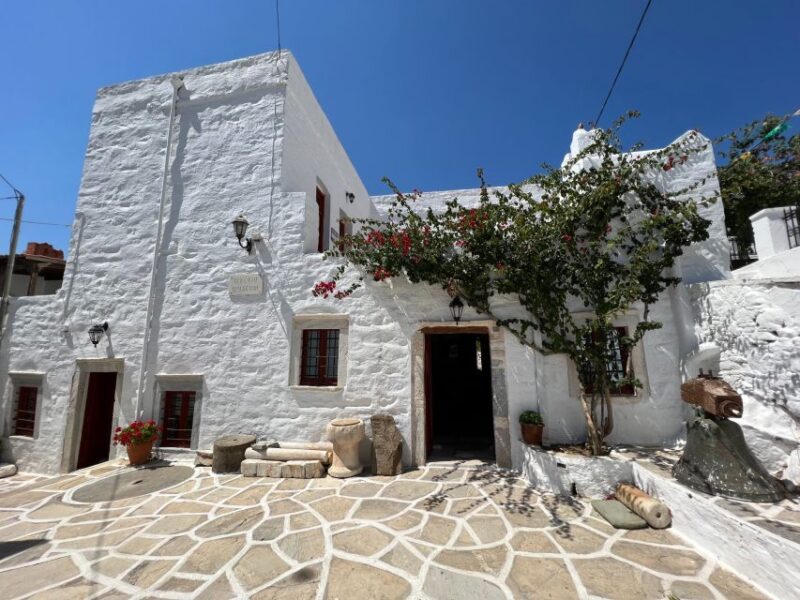
Perched atop the mountainous terrain at an altitude ranging from 570 to 640 meters, the village of Apeiranthos stands as a testament to Naxos’ rich history and cultural heritage.
Its two 17th-century Frankish towers and the captivating Archaeological Museum, which houses an array of Cycladic-era findings, draw visitors eager to enjoy the island’s past.
Within the museum’s walls, travelers can explore the region’s ancient roots, marveling at the exquisite artifacts that offer a glimpse into the lives and customs of the Cycladic people.
From intricate marble figurines to intriguing ceramic pieces, each exhibit tells a story of Naxos’ enduring cultural legacy.
Exploring Naxos’s Villages
Beyond the storied ruins of Apeiranthos, Naxos boasts a tapestry of captivating villages, each woven with its own distinct cultural threads.
The village of Damalas, for instance, is renowned for its unique ceramics crafted by the skilled hands of potter Manolis Libertas, whose family legacy spans generations.
Further inland, the quaint village of Chalki enchants visitors with its neoclassical architecture and picturesque mansions, as well as a charming citrus museum.
In the island’s largest village, Filoti, travelers can enjoy local folklore, peruse traditional shops, and savor the flavors of authentic Naxian cuisine.
These are but a few of the treasures that await discovery across Naxos’s vibrant rural landscape.
Highlights of the Island

Atop the island’s towering Mount Zas, the Temple of Demeter stands as a testament to Naxos’s rich ancient heritage, its stately columns and intricate carvings beckoning visitors to uncover the island’s storied past.
Nearby, the village of Damalas delights with its unique pottery crafted by the skilled hands of Manolis Libertas, while the neoclassical charm of Chalki entices with its citrus museum.
Filoti, the island’s largest village, offers a glimpse into local culture through its folklore museums and traditional cuisine.
Venture to Apeiranthos, and discover the captivating Frankish towers and the Archaeological Museum’s Cycladic-era treasures.
From ancient ruins to vibrant villages, Naxos’s highlights invite you to explore its multifaceted allure.
Naxos Island’s Attractions
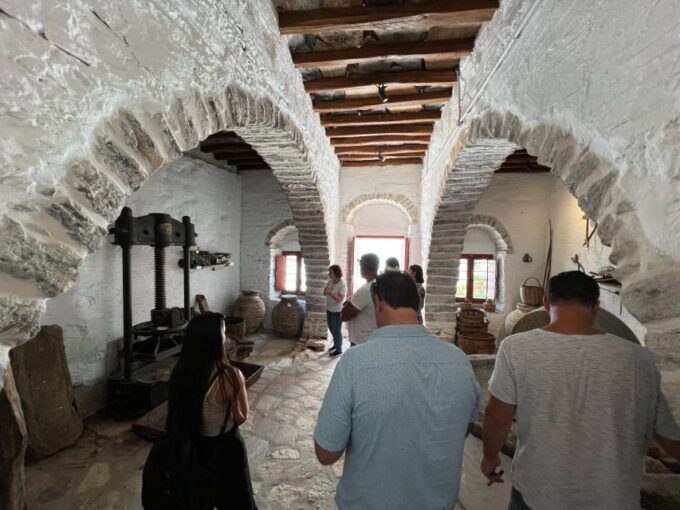
Naxos Island’s diverse attractions extend well beyond its ancient ruins, inviting visitors to enjoy the island’s rich cultural heritage and natural wonders.
The village of Damalas, known for its unique ceramics crafted by the skilled hands of local artisans, offers a glimpse into the island’s enduring traditions.
Chalki, perched atop the Tragaia plateau, captivates with its neoclassical architectural gems and a charming citrus museum.
Filoti, the largest village, beckons with its folklore museums, the magnificent church of Panagia, and a thriving hub of traditional products and local cuisine.
Naxos Island’s attractions truly cater to the diverse interests of every traveler.
Frequently Asked Questions
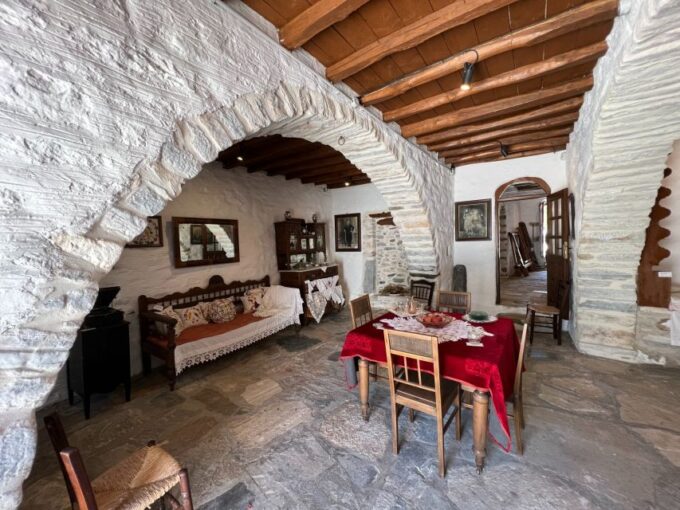
What Is the Best Time of Year to Visit Naxos?
The best time to visit Naxos is spring or autumn when the weather’s mild, crowds are smaller, and travelers can enjoy the island’s beaches, historical sites, and local cuisine without the peak-season heat and crowds.
How Accessible Are the Villages for Travelers With Disabilities?
The accessibility of the villages on Naxos for travelers with disabilities varies. Some villages like Filoti and Chalki have more developed infrastructure, while others like Apeiranthos and Damalas may pose more challenges. Visitors should research accessibility details before planning their trip.
Are There Any Outdoor Activities or Hiking Trails on the Island?
Naxos offers several hiking trails and outdoor activities for travelers. The island’s rugged terrain and varied landscapes provide opportunities for hiking, exploring ancient ruins, and experiencing the island’s natural beauty. Many trails connect the island’s villages.
What Are the Top Local Dishes I Should Try on Naxos?
Some top local dishes to try on Naxos include traditional moussaka, dakos (barley rusks with tomatoes, cheese, and olive oil), and the island’s famous citrus-infused desserts. Visitors shouldn’t miss the opportunity to sample Naxos’ fresh, locally-sourced ingredients.
Are There Any Traditional Festivals or Events Held on the Island?
Naxos hosts several traditional festivals and events annually, including the Feast of Saint John the Baptist in June, the Feast of the Dormition of the Virgin in August, and the Grape Harvest Festival in September, showcasing the island’s rich cultural heritage.
Recap
Naxos Island’s rich cultural heritage and natural wonders make it a captivating destination.
From ancient ruins to traditional villages, visitors can enjoy the island’s timeless allure.
Whether exploring the local arts and cuisine or admiring the stunning landscapes, a Naxos Island tour promises an unforgettable experience that showcases the Cycladic gem’s enduring appeal.
You can check if your dates are available here:More Tours in Greece
More Tour Reviews in Greece
Not for you? Here's more things to do in Greece we have recnetly reviewed
- 13 Best Canoe And Kayak Experiences In Greece
- 14 Best Dining Experiences In Greece
- 15 Best Full-Day Tours In Greece
- 5 Best 2 Day Tours In Greece
- 2 Best 3 Day Tours In Greece
- 4 Best Jet-Ski Experiences In Greece
- 5 Best BBQ Experiences In Greece
- 15 Best Photography Experiences In Greece
- 14 Best Dinner Tours In Greece
- 25 Best Cruises And Boat Tours In Greece
- 22 Best Lunch Experiences In Greece
- 7 Best Food Tours In Greece