
Step into the captivating world of sumo wrestling with an immersive tour of a professional sumo tournament in Tokyo. Witness the centuries-old traditions and rituals that are deeply rooted in Japanese culture, from the wrestlers’ meticulous pre-match preparations to the symbolic throwing of salt to purify the ring. Enjoy reserved seating options and an English-speaking guide who will provide insightful commentary, unveiling the revered status of sumo in Japan. But the experience doesn’t end there – indulge in the protein-rich delicacy of chanko nabe, a staple dish in the sumo wrestler’s diet, for a complete culture.
Key Points
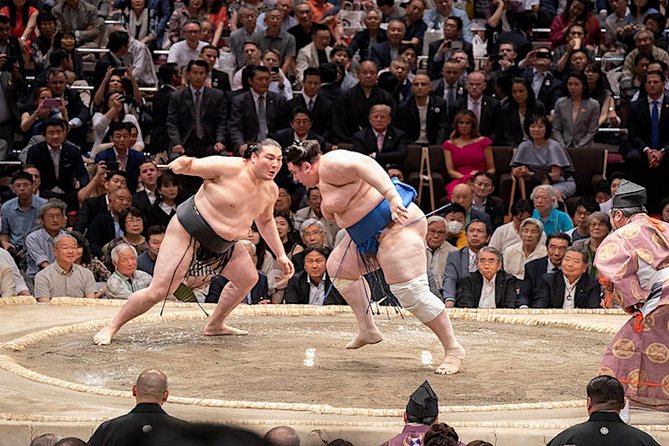
- Attend a unique cultural experience by witnessing a traditional sumo tournament in Tokyo, steeped in centuries-old rituals and specialized techniques.
- Choose from standard or private tour options with English-speaking expert guides, providing A-class, B-class, or C-class reserved seating.
- Observe the wrestlers’ meticulous pre-match preparations, sacred purification rituals, and the powerful thumping of their feet, immersing in Japan’s rich cultural heritage.
- Complement the sumo experience by savoring a traditional chanko nabe, a Japanese stew with protein-rich broth and an array of vegetables.
- The sumo tournament experience is open to all ages, with children required to be accompanied by an adult, and includes accessibility considerations.
Sumo Tournament Overview
Attending a sumo tournament in Japan provides visitors with a unique cultural experience, as the sport is steeped in centuries-old traditions and rituals.
Sumo wrestling has strict rules, specialized techniques, and a distinct ceremonial aspect that can be bewildering for first-time spectators. The experience includes reserved seating and is led by an expert in sumo who explains the intricacies of the sport and its cultural significance.
Guests can enjoy this classic Japanese tradition, witnessing the powerful displays of skill and strength as the wrestlers compete. From the pre-match rituals to the intense bouts, a sumo tournament offers a fascinating glimpse into Japan’s rich cultural heritage.
You can also read our reviews of more tours and experiences in Tokyo.
Seating and Tour Options
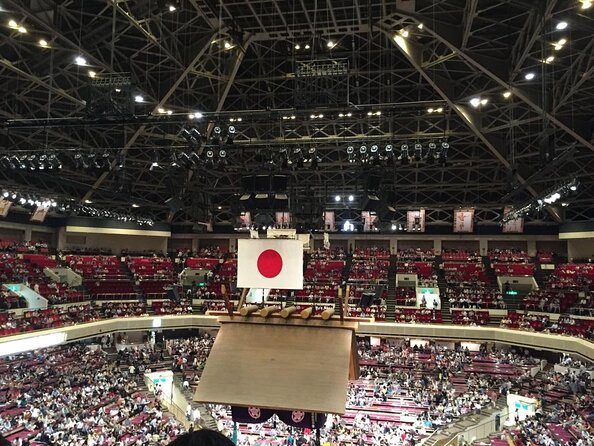
The standard tour offers guests B-class or C-class reserved seats, accompanied by an English-speaking tour guide who’s an expert in sumo wrestling, as well as a sumo information pamphlet.
Alternatively, the private tour provides A-class or B-class reserved seats, without hotel pick-up or meals/drinks unless the dinner option is selected.
The dinner option includes a meal at a local chanko hot pot restaurant, where guests can experience the traditional diet of sumo wrestlers. Sukiyaki or vegetarian options are available upon request, provided at least one week in advance.
Guests must be able to climb stairs to reach the second-floor seats, and no outside food or drinks are allowed in the arena.
Experiencing Sumo Traditions
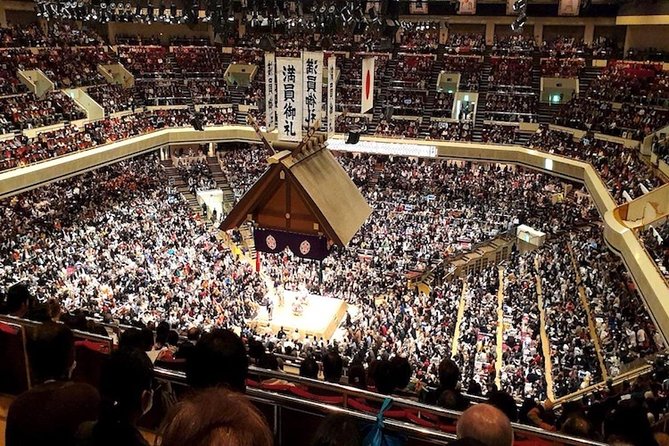
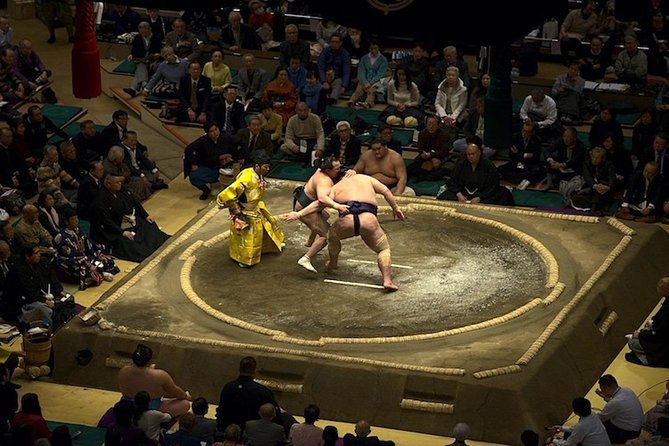
Immersing oneself in the rich traditions and rituals of sumo wrestling is a captivating aspect of attending a tournament in Tokyo. Guests can witness the wrestlers’ meticulous pre-match preparations, including their unique hairstyles and ceremonial dress, which reflect the sport’s deep cultural roots.
The experience also includes observing:
- The sacred purification rituals performed by the wrestlers before entering the ring
- The symbolic throwing of salt to purify the ring before each match
- The powerful thumping of the wrestlers’ feet as they psyche themselves up for the intense bouts
These time-honored traditions offer a glimpse into the revered status of sumo in Japanese culture and heighten the overall tournament experience.
Dinner at Chanko Nabe Restaurant
Visitors can savor the hearty flavors of traditional chanko nabe, a Japanese stew that sumo wrestlers rely on as a dietary staple, at a local restaurant during the dinner option.
Chanko nabe is a thick, protein-rich broth made with chicken or seafood, accompanied by an array of vegetables like cabbage, onions, and mushrooms.
The tour includes this delectable meal, allowing guests to experience the same comfort food that fuels the powerful sumo wrestlers.
Vegetarian and sukiyaki options are available upon request, providing a versatile dining experience.
This unique culinary encounter complements the sumo tournament, offering a well-rounded understanding of the sport’s traditions and culture.
Age and Accessibility Requirements
Although there’s no age requirement for attending the sumo tournament, children must be accompanied by an adult.
Guests should also be able to climb stairs to reach the second-floor seats, as the tour doesn’t provide any specialized accessibility accommodations.
The sumo tournament experience is designed to be accessible to most visitors, but it’s important to keep a few key points in mind:
-
No outside food or drinks are allowed in the arena, so guests should plan accordingly.
-
There’s a maximum of 20 people per tour group, ensuring an intimate and personalized experience.
-
The tour includes an English-speaking guide who’s an expert in sumo wrestling, providing valuable insights into the sport’s traditions and culture.
- Kanto 10-Hour Chartered Day Trip | Tokyo City
- Akihabara Culinary and Culture Adventure: Your Personalized
- Tokyo DisneySea: 1-Day Ticket & Private Transfer
- 1 Day Tokyo Private Charter Sightseeing Tour With Guide
- From Tokyo: Private Day Trip to Nikko
- From Tokyo: Mt. Fuji And Hakone Private Sightseeing Day Trip
Food and Beverage Policies
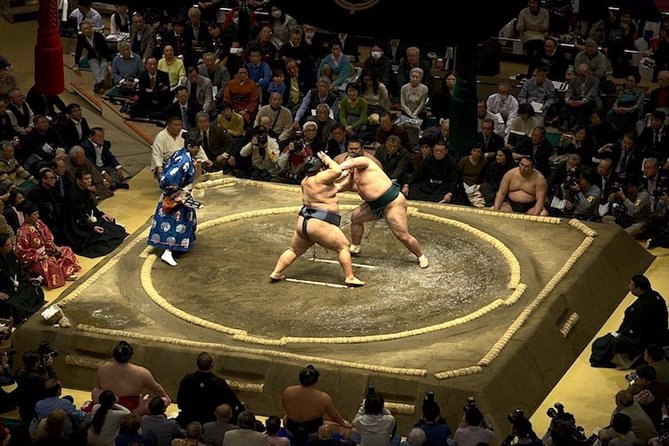
Strict food and beverage policies govern the sumo tournament experience, as no outside items are permitted inside the arena. Guests must rely on the various concessions available for sustenance during the event. While food and drinks can be purchased within the venue, they can’t be brought in from outside.
This ensures a controlled and orderly environment for the traditional sumo tournament. However, the tournament does offer a wide range of options, including the classic Japanese stew known as chanko nabe, which is a staple in the sumo wrestler’s diet.
Vegetarian and sukiyaki alternatives are also available upon request. Ultimately, the food and beverage policies prioritize the integrity and atmosphere of the sumo experience.
Sumo Tournament Schedule
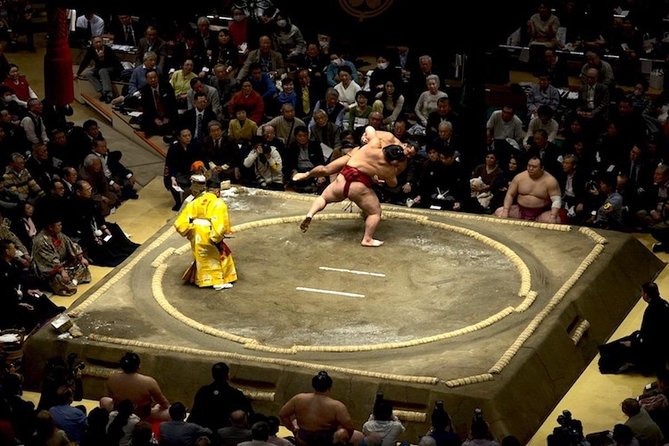
The official sumo tournament, known as the basho, takes place six times per year at various locations across Japan, with each event lasting 15 days. The exact dates vary, but the tournaments are held in the same months annually: January, March, May, July, September, and November. This regular scheduling allows sumo enthusiasts to plan their visits to catch the intense action and captivating rituals of this ancient Japanese sport.
The basho locations rotate between Tokyo, Osaka, Nagoya, and Fukuoka, ensuring that fans across the country can experience the thrill of a live sumo tournament.
The tournaments are timed to coincide with national holidays, making it convenient for both domestic and international visitors to attend.
Whether you’re a seasoned sumo fan or a curious first-time spectator, the basho schedule provides ample opportunities to witness the power and grace of these skilled wrestlers.
Tour Group Size and Guidance
The tour group size is limited to a maximum of 20 people, ensuring an intimate and personalized experience.
An English-speaking local sumo expert guides participants, providing in-depth insights into the traditions and culture surrounding this iconic Japanese sport. This expert’s deep knowledge of sumo wrestling allows them to explain the strict rules, rituals, and unique techniques that can otherwise be bewildering for first-time spectators.
With their guidance, guests gain a comprehensive understanding of the sport and its significance in Japanese society.
Whether seated in the B-class or C-class reserved section, all participants can fully enjoy the classic Japan experience of attending a sumo tournament.
Frequently Asked Questions
What Should I Wear to the Sumo Tournament?
Attending a sumo tournament calls for comfortable, casual attire. Opt for loose, breathable clothing that’s easy to move in, as you’ll be sitting for extended periods. Avoid overly formal wear, as the atmosphere is relaxed and informal.
Can I Take Pictures During the Matches?
Spectators are generally allowed to take photos during the sumo matches, but they’re advised to avoid using flash as it can distract the wrestlers. Photos may be restricted in certain areas or during specific ceremonies within the tournament.
How Long Does a Typical Sumo Tournament Last?
Sumo tournaments typically last 15 days, with the official "basho" tournaments held six times a year in the same months annually. The lengthy duration allows wrestlers to compete in a series of matches over the course of the event.
Are There Any Dress Code Requirements for the Audience?
There are no strict dress code requirements for the audience at a sumo tournament. Casual, comfortable clothing is recommended, as guests will be seated for several hours. However, formal attire is not necessary and won’t affect the viewing experience.
Do I Need to Know Japanese to Enjoy the Experience?
No, you don’t need to know Japanese to enjoy the sumo tournament experience. The tour guide provides English-language explanations, and the event includes an informative pamphlet to help non-Japanese speakers understand the sport’s traditions and culture.
Recap
Witnessing a sumo tournament in Tokyo is a captivating cultural experience. Visitors can enjoy reserved seating, gain insights from an English-speaking guide, and indulge in the traditional chanko nabe stew.
With age and accessibility requirements in mind, guests can fully enjoy the centuries-old rituals and revered status of sumo in Japanese society.
The tour’s intimate group size ensures a personalized and informative experience.
More Tour Reviews in Tokyo
- Tokyo: Shinobi Samurai Premium EXP for Solo Travelers, 90min
- Mt Fuji Private Tour With English Speaking Driver
- Nerikiri Wagashi-Making With Tea Ceremony Review
- Tokyo 3-Hour Guided E-bike Cycling Tour of the Citys Hidden Gems
- Official Street Go-Kart Tour – Shinagawa Shop
- 【Open 1st Anniv.】Popular Sushi Making Class Near Tokyo Tower
Not for you? Here's more things to do in Tokyo we have recnetly reviewed
- 2 Best Craft Beer Tours And Tastings In Tokyo
- 20 Best 2 Day Tours In Tokyo
- 7 Best 3 Day Tours In Tokyo
- 6 Best 4 Day Tours In Tokyo
- 25 Best Cruises And Boat Tours In Tokyo
- 25 Best Food Tours In Tokyo
- 20 Best Full-Day Tours In Tokyo
- 15 Best Helicopter Flights And Tours In Tokyo
- 2 Best BBQ Experiences In Tokyo
- 5 Best Coffee Tours And Tastings In Tokyo
- 25 Best Lunch Experiences In Tokyo
- 12 Best Massage And Relaxation Services In Tokyo