
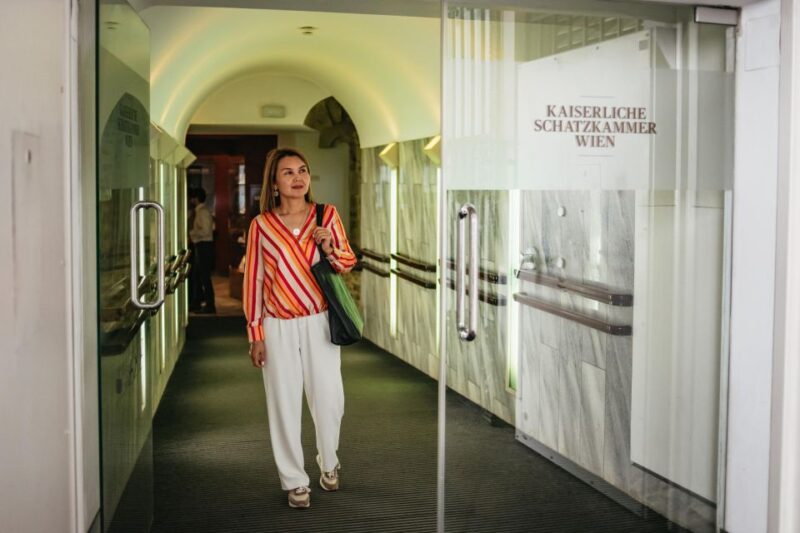
The Imperial Treasury in Vienna’s Hofburg Palace holds an unparalleled collection of the Habsburgs’ most prized possessions. Visitors can marvel at the magnificent Austrian Imperial Crown, widely regarded as one of the most beautiful in the world, as well as the crown jewels of the Holy Roman Empire and parts of Empress Elisabeth’s original jewelry. But beyond the dazzling display, the treasury also houses legendary treasures like the alleged Holy Grail and the horn of the unicorn, offering a captivating glimpse into the opulent world of the powerful Habsburg dynasty. What secrets might these legendary artifacts hold?
Key Points
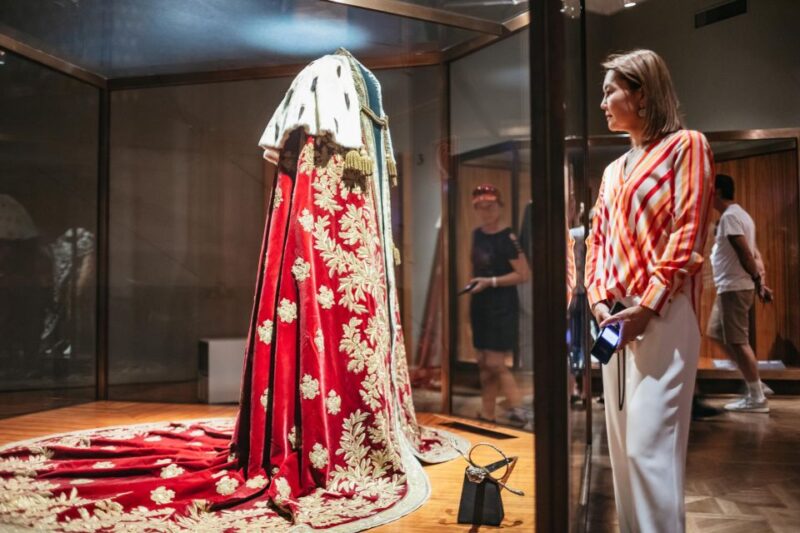
- The Imperial Treasury in the Hofburg Palace in Vienna houses an unparalleled collection of the Habsburgs’ prized possessions, including dazzling crowns, lavish jewels, and legendary artifacts.
- The Treasury showcases the crown jewels of the Holy Roman Empire, including the magnificent Austrian Imperial Crown, widely regarded as one of the most beautiful in the world.
- The collection features Empress Elisabeth’s original jewelry, offering a glimpse into the luxurious lifestyle and refined taste of the Habsburg monarchy.
- Legendary treasures like the alleged Holy Grail and the unicorn horn captivate visitors, enchanting them with the stories and mysteries of the Habsburgs.
- The Treasury also houses the prestigious regalia and insignia of the Order of the Golden Fleece, a renowned chivalric order founded by the Dukes of Burgundy.
Treasures of the Habsburgs
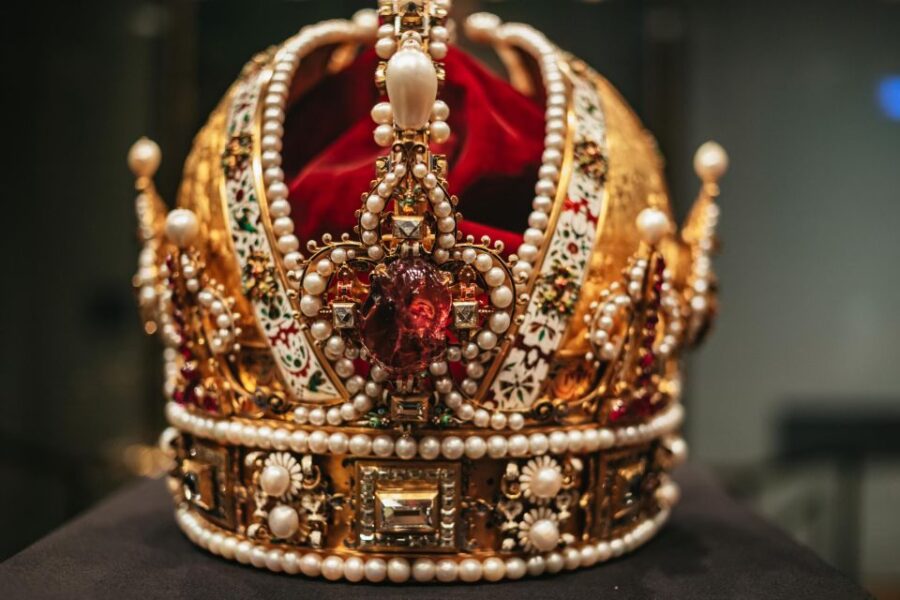
The Imperial Treasury in the Hofburg Palace houses an unparalleled collection of the Habsburgs’ most prized possessions, including dazzling crowns, lavish jewels, and legendary artifacts that once belonged to the powerful rulers of the Holy Roman Empire.
Visitors can admire the magnificent Austrian Imperial Crown, widely regarded as one of the most beautiful in the world.
The treasury also showcases the crown jewels of the Holy Roman Empire, as well as parts of the original jewelry worn by Empress Elisabeth.
Legendary treasures like the Holy Grail and the horn of the unicorn further captivate visitors, offering a glimpse into the opulent world of the Habsburgs.
You can also read our reviews of more tours and experiences in Vienna.
Magnificent Imperial Crown
Among the most captivating treasures within the Imperial Treasury is the magnificent Austrian Imperial Crown, widely regarded as one of the most beautiful crowns in the world.
Crafted in the 11th century, this stunning piece features an intricate design of gold, precious stones, and enamel.
The crown’s striking silhouette is accentuated by eight fleurs-de-lis, symbolizing the Holy Roman Empire.
Atop the crown sits a cross, representing the Christian faith of the Habsburgs.
Visitors can marvel at the crown’s dazzling display of craftsmanship and the rich history it embodies, a true testament to the opulence and power of the Habsburg dynasty.
The Austrian Imperial Crown remains a highlight of the Imperial Treasury’s unparalleled collection.
Holy Roman Empire’s Jewels
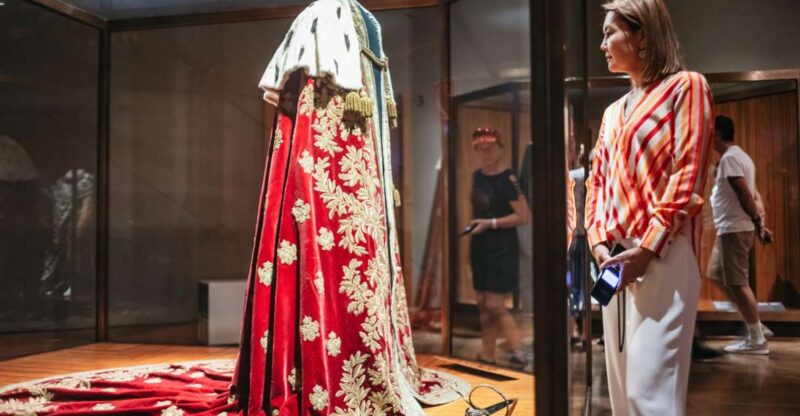
Along With the magnificent Austrian Imperial Crown, the Imperial Treasury also houses the captivating jewels and regalia of the Holy Roman Empire, representing centuries of imperial power and prestige.
Among the most prized items are:
- The Imperial Crown of the Holy Roman Empire, a symbol of imperial authority dating back to the 10th century
- The Imperial Sceptre, adorned with precious stones and representing the ruler’s power
- The Imperial Orb, a golden globe surmounted by a cross, signifying the emperor’s divine right to rule
- The Sword of Charlemagne, a legendary artifact wielded by the great Frankish king and emperor
These timeless treasures offer a glimpse into the grandeur and history of the Holy Roman Empire.
Empress Elisabeth’s Jewelry
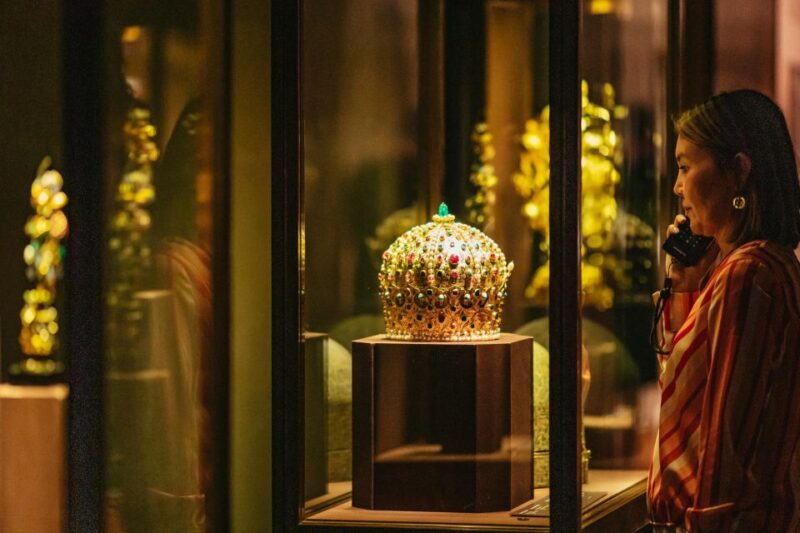
Alongside the imperial regalia, the Imperial Treasury also showcases the stunning jewelry worn by Empress Elisabeth, known for her timeless beauty and refined taste.
Visitors can admire parts of the original jewelry collection of the famous empress, including dazzling diamonds, sapphires, and pearls.
These lavish pieces reflect the elegance and opulence of the Habsburg monarchy.
Exquisite necklaces, brooches, and tiaras once adorned the empress, providing a glimpse into the luxurious lifestyle of the royal family.
The collection offers a fascinating insight into the personal style and preferences of one of the most iconic figures of the Austrian Empire.
More Great Thing To Do NearbyLegendary Grail and Unicorn
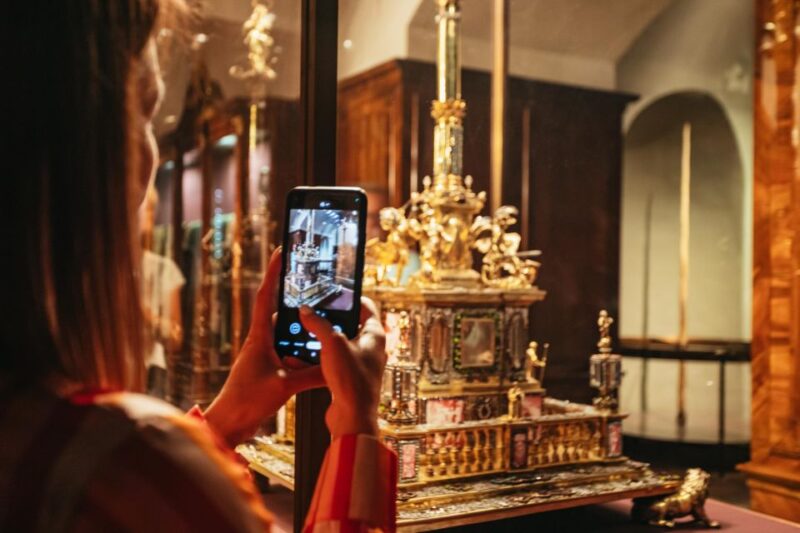
Though the Imperial Treasury boasts an unparalleled collection of royal jewels and regalia, two of its most legendary artifacts are the alleged Holy Grail and the horn of a unicorn, both of which have captivated visitors for centuries.
The purported Holy Grail, claimed to be the cup used by Jesus Christ during the Last Supper, is housed in a spectacular gothic reliquary.
The unicorn horn, long believed to possess mystical healing powers, is a striking spiral horn over a meter in length.
Visitors can marvel at these captivating items that have inspired countless legends and stories over the ages.
The Imperial Treasury’s legendary collection continues to enchant and intrigue all who behold it.
Order of the Golden Fleece
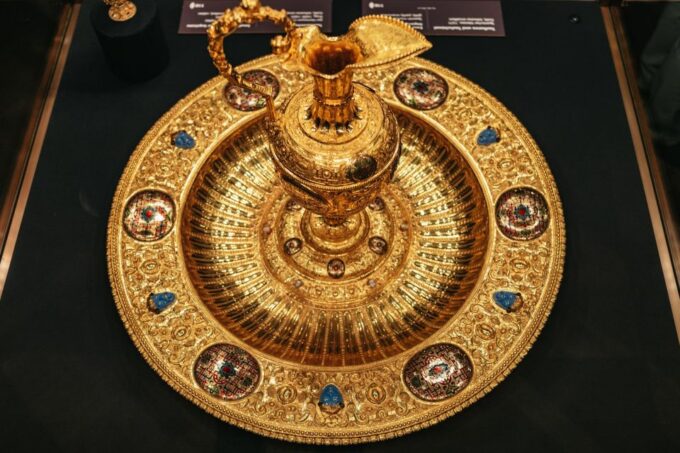
The Imperial Treasury proudly houses the Treasure of the Order of the Golden Fleece, a prestigious collection of regalia and insignia associated with this historic chivalric order.
Founded in 1430 by Philip the Good, Duke of Burgundy, the Order of the Golden Fleece is one of the oldest and most renowned orders of knighthood.
The treasury’s collection includes the magnificent collar and pendant worn by members, as well as a range of ceremonial robes, sashes, and other symbolic objects.
These meticulously crafted items showcase the skilled artistry and deep traditions of this elite organization, which continues to hold a central place in the history and pageantry of the Habsburg dynasty.
Burgundy’s 15th-Century Collections
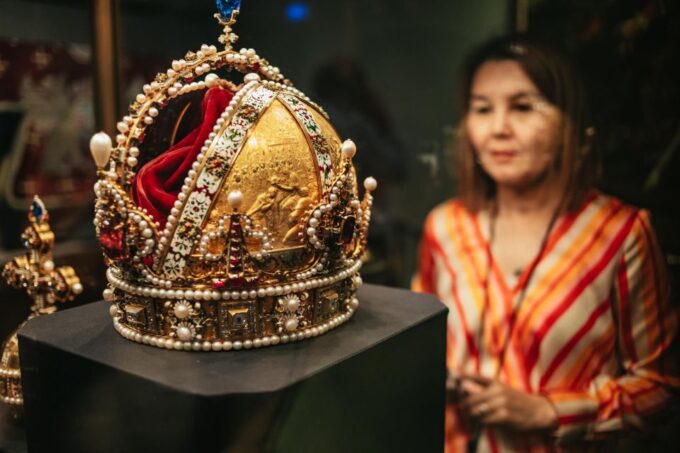
Along With the Treasure of the Order of the Golden Fleece, the Imperial Treasury houses a remarkable collection of 15th-century artifacts from the Duchy of Burgundy, showcasing the opulence and cultural heritage of this influential medieval European state.
Among the prized items are:
- Exquisite tapestries depicting scenes from Burgundian court life
- Intricate metalwork such as ornate chalices and reliquaries
- Lavish ceremonial robes and accessories adorned with precious gems
- Illuminated manuscripts featuring elaborate illustrations and calligraphy
These Burgundian treasures provide a glimpse into the splendor and power of one of the wealthiest and most influential European dynasties of the late Middle Ages, further enhancing the unparalleled collection housed within the Imperial Treasury.
Cradle of the King
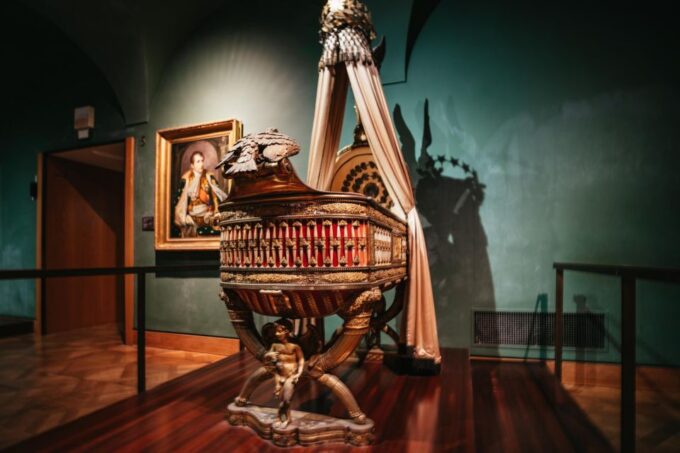
Amidst the remarkable collection of the Imperial Treasury lies a captivating piece – the Cradle of the King, a testament to the rich history and lineage of European monarchs.
This ornate cradle was commissioned for Napoleon II, the son of Napoleon Bonaparte, who was briefly crowned the King of Rome in 1811.
The cradle’s intricate design features allegorical figures and symbols representing the power and prestige of the imperial dynasty.
Visitors can admire the level of craftsmanship and attention to detail that went into creating this regal piece, which serves as a tangible link to the turbulent yet fascinating era of Napoleonic Europe.
The Cradle of the King stands as a unique and captivating highlight of the Imperial Treasury’s impressive collection.
Frequently Asked Questions
Is Photography Allowed Inside the Imperial Treasury?
Photography is not permitted inside the Imperial Treasury. Visitors are asked to refrain from taking photos to preserve the delicate nature of the priceless artifacts and maintain the reverent atmosphere of the historic collection.
What Is the Dress Code for Visiting the Imperial Treasury?
The Imperial Treasury has a casual dress code. Visitors can wear comfortable clothing and shoes, as there’s a lot of walking involved. Formal wear is not required, though visitors should avoid overly casual attire like shorts or slippers.
Can I Bring Food and Drinks Inside the Imperial Treasury?
No, visitors cannot bring food or drinks inside the Imperial Treasury. Strict rules prohibit outside items to preserve the delicate historical artifacts and jewels on display. Visitors must check any bags, food, or drinks before entering the exhibition.
Are Guided Tours Available in Languages Other Than English?
The Imperial Treasury offers guided tours in several languages, including German, English, French, Spanish, Italian, and others. Visitors can check the tour options and schedule when booking their tickets to ensure availability in their preferred language.
Is the Imperial Treasury Wheelchair Accessible?
Yes, the Imperial Treasury in the Hofburg Palace in Vienna is wheelchair accessible. The venue has elevators and ramps to accommodate visitors with mobility needs, ensuring an inclusive experience for all guests.
Recap
The Imperial Treasury in Vienna’s Hofburg Palace boasts an unparalleled collection of the Habsburgs’ most prized possessions.
From the magnificent Austrian Imperial Crown to Empress Elisabeth’s jewelry, these legendary treasures offer a glimpse into the opulent world of the powerful Habsburg dynasty.
The treasury’s diverse holdings, including the Holy Roman Empire’s jewels and the alleged Holy Grail, captivate all who visit, showcasing the enduring legacy of one of Europe’s most influential royal families.
You can check if your dates are available here:More Tour Reviews in Vienna
Not for you? Here's more things to do in Vienna we have recnetly reviewed
- 3 Best Craft Beer Tours And Tastings In Vienna
- 18 Best Christmas Experiences In Vienna
- 25 Best Cruises And Boat Tours In Vienna
- 22 Best Food Tours In Vienna
- 9 Best Full-Day Tours In Vienna
- 5 Best Coffee Tours And Tastings In Vienna
- 12 Best Lunch Experiences In Vienna
- 13 Best Photography Experiences In Vienna
- 21 Best Dining Experiences In Vienna
- 20 Best Dinner Tours In Vienna
- Vienna as Never Seen Before: Hidden Courtyards, Legends and Symbols
- Private Day Trip to Bratislava From Vienna