
Nestled in the rugged landscapes of Castilla-La Mancha, the Roman Mines of Lapis Specularis offer a captivating glimpse into ancient Hispania. Descend underground to uncover the secrets of this translucent crystalline mineral, prized for its innovative uses in Roman times. Guided tours lead visitors through the intricate network of chambers, illuminated by the ethereal glow of the crystal formations. Discover the ingenious mining techniques and the significance of lapis specularis in the daily lives of the Iberian Peninsula’s inhabitants. Prepare to be transported back in time and gain a deeper appreciation for the rich heritage of this remarkable site.
Key Points
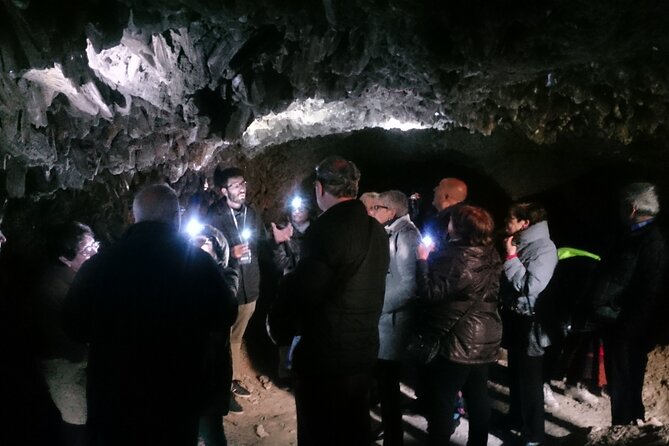
- Discover the ancient Roman mining site of Lapis Specularis, a translucent gypsum used for windows and mirrors, in Castilla-La Mancha, Spain.
- Explore the intricate underground tunnels and chambers showcasing the innovative engineering feats of the Romans in Hispania.
- Learn about the specialized mining techniques, including the use of water wheels and oil lamps, that made Hispania a leading producer of lapis specularis.
- Witness the ethereal glow of crystal formations within the mine chambers and gain a deeper appreciation for the resourcefulness of Roman engineers.
- Plan your visit with guided tours offered by Cuenqueando, priced at $5.37 per person, with reservations recommended to limit group size.
Discovering the Lapis Specularis Mines
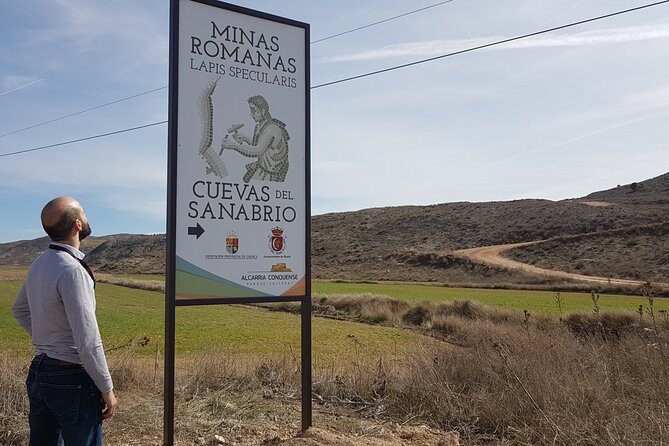
Nestled among the rugged terrain of Castilla-La Mancha, Spain, lies the captivating Roman Mines of Lapis Specularis. This historic site offers visitors a unique glimpse into the ancient mining practices that fueled the wealth of Hispania.
Guided tours take you deep underground, where you’ll explore the intricate chambers and tunnels carved by Roman hands. Along the way, your knowledgeable guide will provide engaging insights into the significance of lapis specularis, a type of translucent gypsum prized for its use in windows, mirrors, and even as an early form of mica.
This immersive experience promises to transport you back in time and reveal the remarkable engineering feats of the Roman Empire.
You can also read our reviews of more tours and experiences in Castilla La Mancha.
Mining Techniques of Ancient Rome
Delving into the mining techniques of ancient Rome, one is struck by the ingenuity and resourcefulness of the civilization. Their intricate methods for extracting lapis specularis, a valuable translucent mineral, showcased their engineering prowess.
| Mining Technique | Description |
|---|---|
| Tunneling | Intricate underground networks were carved, allowing access to the mineral deposits. |
| Water Wheels | Clever water-powered machinery aided in excavation and removal of the lapis specularis. |
| Lighting | Ingenious use of oil lamps and candles illuminated the dark mine shafts. |
These innovative techniques enabled the Romans to harvest the coveted lapis specularis, contributing to Hispania’s wealth and prominence within the empire.
Significance of Lapis Specularis in Hispania
Why was lapis specularis so significant to Hispania during the Roman era?
Lapis specularis, a type of transparent gypsum, was highly prized for its use in windows, lanterns, and even eyeglasses.
The mines in Hispania (modern-day Spain) were the main source of this valuable material, contributing significantly to the region’s wealth and importance within the Roman Empire.
The specialized knowledge and techniques required to extract and process lapis specularis made it a lucrative industry, with the crystal’s unique properties making it indispensable for lighting and protection from the elements.
Hispania’s dominance in lapis specularis production solidified its status as a vital province, demonstrating the far-reaching impact of natural resources on the economy and power dynamics of the ancient world.
Exploring the Underground Chambers
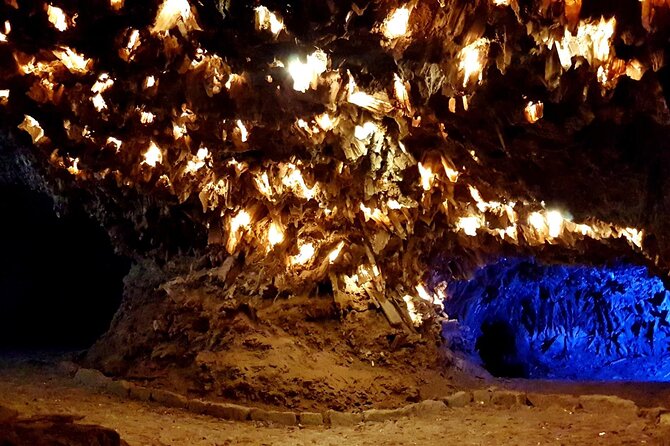
Visitors descend into the cavernous underground chambers of the Roman mines, their footsteps echoing against the ancient walls.
Narrow passages twist and turn, leading them deeper underground where the true wonders of Lapis Specularis are revealed.
Flickers of light dance across the glistening crystal formations, casting an ethereal glow throughout the chambers.
Guides provide insightful narratives, bringing the mining history to life through vivid descriptions of the arduous extraction process.
Guests marvel at the scale and complexity of the underground network, gaining a newfound appreciation for the resourcefulness of the Roman engineers who constructed this remarkable system centuries ago.
Guided Tour Highlights
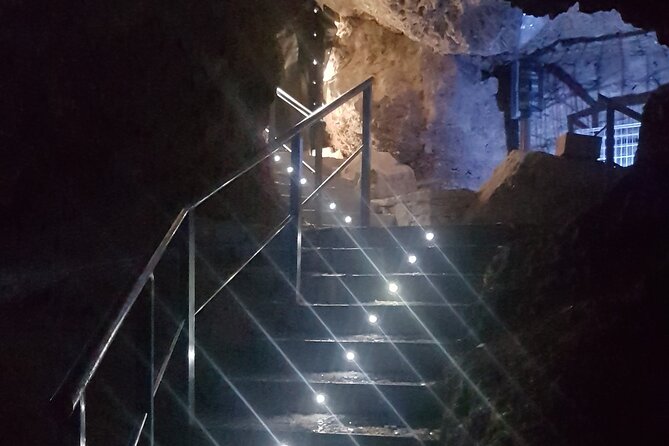
What makes the guided tour of the Roman Mines of Lapis Specularis so captivating?
Visitors are immersed in the rich history of the site, led by knowledgeable guides like Gabriela who bring the past to life with engaging explanations.
Travelers gain invaluable insights into the mining processes and the crucial role of Lapis Specularis, or crystal of Hispania, in the Roman Empire’s wealth.
The tour also offers unique surprises within the mine’s chambers, leaving guests with a deeper appreciation for this remarkable piece of history.
With a mix of informative commentary and entertaining anecdotes, the experience is both educational and enjoyable for visitors.
Visitor Experiences and Feedback
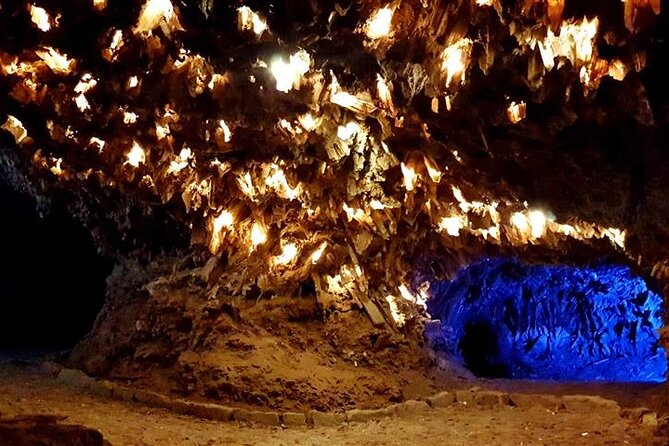
Judging from the overwhelmingly positive reviews, visitors have had an incredibly immersive and enlightening experience at the Roman Mines of Lapis Specularis.
Guests praise the engaging historical insights provided by the specialized tour guides, who offer detailed explanations of the mining processes and the significance of Lapis Specularis in the Roman Empire.
One reviewer even mentioned a mix-up with the booking location, but nonetheless provided positive feedback for the tour company, Cuenqueando, commending their professionalism.
Visitors can expect to be surprised by the unique features within the mine’s chambers as they explore the rich history of this captivating destination.
Planning Your Visit
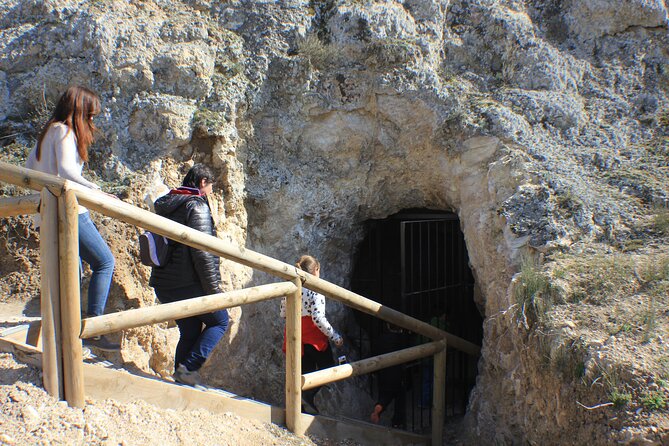
To visit the Roman Mines of Lapis Specularis, travelers can access the site from the CM-310 road, with parking available just 200 meters away.
The mines are operated by Cuenqueando, offering tours from $5.37 per person. Reservations are recommended, as the group size is limited to 15 people.
Visitors can expect an engaging experience guided by knowledgeable staff, who provide insights into the historical significance of the Lapis Specularis.
Though the site isn’t wheelchair accessible, service animals are allowed, and pets are permitted.
Cancellations can be made up to 24 hours before the tour without penalty, ensuring flexibility for travelers.
Frequently Asked Questions
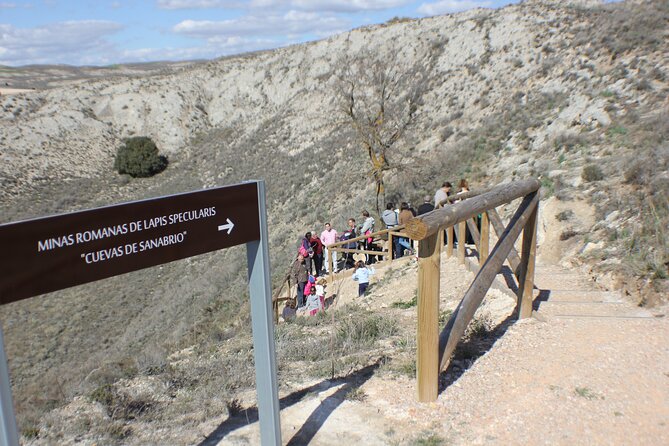
Is There a Dress Code for the Tour?
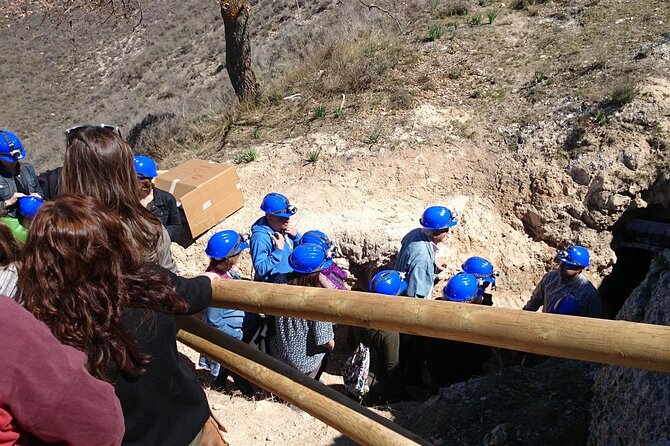
There is no specified dress code for the tour. Visitors are advised to wear comfortable clothing and sturdy footwear suitable for exploring the Roman mines, as the terrain can be uneven.
Can I Bring My Own Food and Drink?
Yes, you can bring your own food and drink to enjoy during the tour. The mines have designated picnic areas, allowing visitors to refuel and stay energized throughout the immersive historical experience.
Are Audio Guides Available for the Tour?
Audio guides aren’t available for this tour. The experience is led by a specialized tour guide who provides engaging historical explanations throughout the visit to the Roman mines.
Can I Take Photos/Videos Inside the Mines?
Yes, visitors are generally allowed to take photos and videos inside the Roman mines. However, the tour guide may provide guidance on areas where photography is restricted to preserve the site’s integrity.
Are There Any Age Restrictions for the Tour?
There are no age restrictions for the tour of the Roman Mines of Lapis Specularis. Visitors of all ages can explore the historic site, though the tour may not be suitable for very young children due to the terrain.
Recap
Exploring the Roman mines of lapis specularis in Castilla-La Mancha offers a unique window into ancient Hispania. Descending into the intricate underground chambers, visitors are captivated by the ethereal glow of the crystal formations and the remarkable engineering feats of the Romans. Guided tours provide a deeper appreciation for the historical significance of this prized translucent material, leaving visitors with a profound connection to the region’s rich cultural heritage.